Radiopharm Theranostics (RAD:AU) has announced First patient dosed in Phase IIb imaging for Brain Mets
Download the PDF here.

Radiopharm Theranostics (RAD:AU) has announced First patient dosed in Phase IIb imaging for Brain Mets
Download the PDF here.
Nutritional Growth Solutions Limited (ASX:NGS) (‘NGS’ or ‘the Company’), is pleased to announce that it has received binding commitments for the issue of 1,000,000 convertible notes (Placement CNs), to be issued at $1.00 each (CN Placement).
HIGHLIGHTS
The offer of the Placement CNs was made to sophisticated and professional investors in Australia and successfully closed, achieving binding commitments of A$1.0 million.
Stephen Turner, NGS CEO and Managing Director, commented on the CN Placement:
“We are very pleased with the strong support shown by investors in this placement, which provides important growth capital to support our retail expansion into leading U.S. retailers, including CVS and Wakefern. We would like to thank our shareholders for their ongoing support as we execute our growth strategy and build on the momentum from our recent distribution achievements.”
The conversion of the convertible notes into fully paid ordinary shares in NGS will take place at a price of between A$0.03 and A$0.025 per ordinary share within 10 business days of NGS shareholders approving their conversion including for the purposes of ASX Listing Rule 7.1. NGS expects to convene a general meeting of its shareholders to consider whether to approve the conversion of the convertible notes into fully paid ordinary shares in NGS and whether to approve the issuance of options within the next few weeks.
Until the convertible notes are converted into ordinary shares or redeemed, they bear interest which is payable quarterly in arrear at either 10% per annum (if the holder of the convertible notes elects not to receive ordinary shares in NGS in lieu of cash interest), or 15% per annum (if the holder of the convertible notes elects to receive ordinary shares in NGS in lieu of cash interest). Issuance of ordinary shares in NGS in lieu of cash interest is subject to NGS being in compliance with the ASX Listing Rules. If the convertible notes have not been converted by the date that is 2 years after their issue date, they will be redeemed by NGS at their issue price.
Each investor who is issued with ordinary shares on conversion of the convertible notes will be issued with one option for each fully paid ordinary share that is issued on conversion of the convertible notes, with that issuance of options to take place on the same date as the ordinary share issuance date. This is expected to be within 10 business days of NGS shareholders approving that issuance of options including for the purposes of ASX Listing Rule 7.1. These options will be exercisable on a 1:1 basis into fully paid ordinary shares in NGS at an exercise price of $0.04 per option, and will expire 3 years following their issue date if they have not been exercised during that 3 year period (the CN Holder Options). Quotation of the CN Holder Options on the ASX will be sought.
USE OF PROCEEDS
The net proceeds from the issue of the convertible notes are planned to be used in the following areas:
LEAD MANAGER OPTIONS
The Company engaged GBA Capital Pty Ltd (AFSL 544680) to act as lead manager for the CN Placement (Lead Manager).
Under the terms of the mandate with the Lead Manager, the Lead Manager will be issued with 30% of the number of CN Holder Options (the Lead Manager Options). The Lead Manager Options will be exercisable on a 1:1 basis into fully paid ordinary shares in NGS at an exercise price of $0.04 per Lead Manager Option. The Lead Manager Options will expire 3 years following their issue date if they have not been exercised during that 3 year period.
The Lead Manager Options will be issued within 10 business days of NGS shareholders approving that issuance including for the purposes of ASX Listing Rule 7.1. NGS expects the Lead Manager Options to be issued at the same time as the issuance of the CN Holder Options. Quotation of the Lead Manager Options on the ASX will be sought.
Click here for the full ASX Release
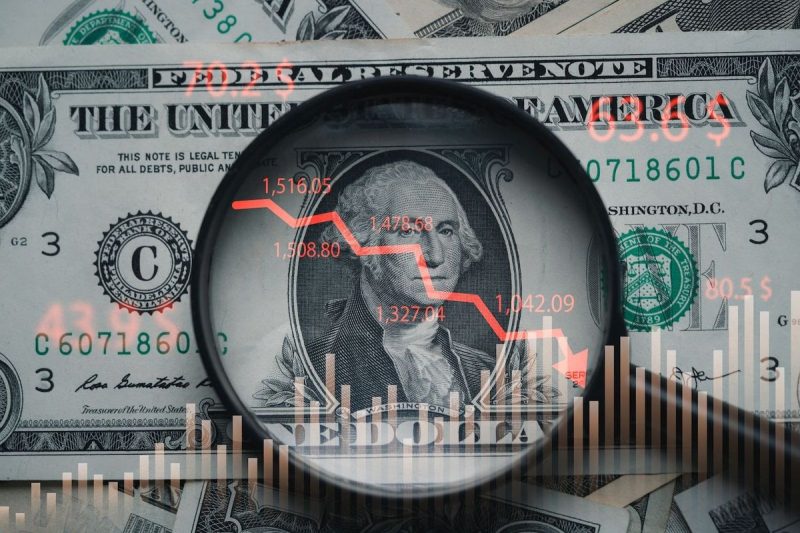
The American economy may be heading toward stagflation, an environment characterized by high inflation, slowing growth and rising unemployment, US Federal Reserve Chair Jerome Powell cautioned earlier this month.
‘Unemployment is likely to go up as the economy slows in all likelihood, and inflation is likely to go up as tariffs find their way and some part of those tariffs come to be paid by the public,’ Powell said during an April 15 appearance in Chicago.
While he was careful not to use the word ‘stagflation,’ experts have pointed out that the circumstances Powell outlined correspond with its definition, thrusting the term back into public discourse.
But what exactly is stagflation, and why is it such a concern for investors? Read on to find out.
Stagflation describes the economic scenario where inflation remains high even as economic growth slows and unemployment rises. Stagflation is a rare occurrence, and contradicts the foundational economic belief that inflation typically rises during economic booms and falls during recessions.
The term was coined by British politician Iain Macleod in 1965 and became infamous during the 1970s oil crisis, when a dramatic spike in oil prices triggered both rising costs and shrinking output across much of the global economy.
In simple terms, stagflation means you’re paying more for everything while earning less; at the same time, finding a new job, or even keeping your current one, becomes more difficult.
The misery index, created to measure such bleak periods, adds the unemployment rate to the inflation rate. During the worst of the 1970s, it exceeded 20. As of March 25, 2025, it stood at around 6.6, with inflation at 2.4 percent and unemployment at 4.2 percent. Many economists fear that number could rise quickly if current trends continue.
A combination of geopolitical shocks, fragile supply chains and new economic policies — particularly a sweeping series of tariffs enacted by the Trump administration — has created a perfect storm, economists say.
The tariffs include a 10 percent universal tax on all imports, up to 25 percent duties on goods from Canada and Mexico and a staggering 245 percent tariff on imports from China. These are not minor adjustments — they are foundational changes to the pricing structure of the US consumer and business marketplace.
‘The level of the tariff increases announced so far is significantly larger than anticipated,’ Powell said in a written statement from his Chicago appearance that was published on April 16. ‘The same is likely to be true of the economic effects, which will include higher inflation and slower growth.’
In other words, the tariffs act as a supply shock: They make it more expensive to bring goods into the country, which businesses pass on to consumers through price hikes. At the same time, higher costs can lead companies to cut back on investment and hiring, slowing the economy and increasing job losses.
“The Trump White House tariff policy has certainly increased the risk of both higher inflation and lower growth,” Brett House, professor of professional practice in economics at Columbia Business School, told CNBC.
To better understand what’s at stake, economists are looking at the 1970s — a decade that was marked by an oil embargo, skyrocketing prices and stagnant economic activity.
In response, then-Fed Chair Paul Volcker aggressively hiked interest rates, with the federal funds rate peaking at nearly 21 percent in 1981. The move ultimately tamed inflation, but plunged the country into two recessions.
That painful cure became the playbook for handling runaway prices, with central banks committing to maintaining credibility and acting decisively, even at the cost of job losses.
“The Fed’s credibility in keeping inflation low and stable, won over decades, kept longer-term inflation expectations stable,” Fed Governor Adriana D. Kugler said in a recent statement.
Still, today’s economic landscape differs from the 1970s in critical ways. The US is no longer as dependent on foreign oil. And labor unions, once a powerful driver of wage spirals, now represent a smaller portion of the workforce.
However, these differences might not offer much protection. While oil prices are less of a concern today, tariff-induced uncertainty could have a similar chilling effect.
For most people, stagflation translates into economic whiplash.
Essentially, prices go up, wages don’t keep pace and job security becomes tenuous. According to Forbes, a rising misery index would create a whole new roster of challenges for the everyday person.
To illustrate, people will likely have to spend more to get the same quantity of food, clothes and gas. Employees’ chances of getting laid off or working fewer hours will increase. For recent college graduates, the job market could become especially brutal. For families, the cost of borrowing — whether to buy a home, finance a car or use a credit card — could rise steeply if the Fed chooses to raise interest rates to combat inflation.
Diane Swonk, chief economist at KPMG, described today’s environment as having a “whiff of stagflation,” where people feel less secure about their financial future, even if the economic statistics haven’t fully caught up to the sentiment.
Not all economists agree that stagflation is inevitable, or that it will reach the same severity as in the 1970s.
Still, concerns are growing. Michael Feroli, JPMorgan Chase & Co.’s (NYSE:JPM) chief US economist, issued a warning earlier this month, stating the bank now expects a recession in 2025.
He predicts unemployment will rise to 5.3 percent, while a core measure of inflation will reach 4.4 percent, which he described as a “stagflationary forecast.”
KPMG also projects a shallow recession, with inflation peaking at the end of the third quarter. But even a modest downturn could be painful for vulnerable workers and households already stretched thin by pandemic-era economic disruptions and the fading buffer of savings built up during that time.
Stagflation presents a complex and often discouraging landscape for investors.
Unlike recessions, where bonds tend to do well as interest rates fall, stagflation often erodes the value of both stocks and bonds. In such periods, equities can suffer from declining corporate profits due to rising input costs, as well as weakening consumer demand, creating varied headwinds for the stock market.
At the same time, high inflation erodes the real value of future earnings, often leading to downward pressure on stock prices, particularly for growth-oriented companies whose valuations depend heavily on projected future cashflow.
Bonds, too, become vulnerable. Inflation eats into the fixed income stream provided by bonds, especially longer-term bonds. As inflation rises, the purchasing power of interest payments declines, and yields on newly issued bonds increase to compensate investors, driving down the market value of existing lower-yield bonds.
This was evident during the 1970s, the last prolonged period of US stagflation. At that time, both the S&P 500 (INDEXSP:.INX) and US treasuries experienced prolonged periods of underperformance in real terms.
Gold, on the other hand, surged in value as investors sought assets that could maintain their purchasing power amid inflation and economic uncertainty. The price of gold increased more than 1,000 percent from 1971 to 1980, reflecting its appeal as a hedge during economic stress. Commodities more broadly — such as oil, agricultural products and industrial metals — have historically performed better in stagflationary conditions.
Since commodities prices are a direct input into inflation measures, they tend to rise during inflationary periods, particularly when inflation is driven by supply shocks. For instance, in the 1970s, oil prices quadrupled following the OPEC embargo, delivering significant gains for energy producers and commodity-focused investors.
Still, it’s worth noting that no single asset or strategy is immune to the pressures of stagflation. While diversification, inflation hedging and a focus on quality assets are time-tested approaches, the unique combination of rising prices and faltering growth challenges even seasoned investors.
Stagflation is not just an economic term from the past — it may soon be a lived reality for millions and even billions.
With tariffs reshaping trade dynamics in real time, inflation hovering stubbornly above the Fed’s target and job growth showing signs of slowing, the conditions are set for a troubling period ahead.
Whether or not future policymaking can steer the economy away from this outcome remains to be seen. For now, consumers, businesses and investors alike would do well to prepare for the reality that stagflation brings — not just a historical anomaly, but a modern economic threat.
Securities Disclosure: I, Giann Liguid, hold no direct investment interest in any company mentioned in this article.
(TheNewswire)
Silver Crown Royalties Inc. ( Cboe: SCRI, OTCQX: SLCRF, BF: QS0 ) ( ‘Silver Crown’ ‘SCRi’ the ‘Corporation’ or the ‘Company’ ) is pleased to announce that the Company has successfully closed the third and final tranche (‘ Final Tranche ‘) of its non-brokered offering of units ( ‘Units’ ) that was previously announced on February 6, 2025 (the ‘Offering’ ) and issued 89,400 Units at a price of C$6.50 per Unit, for gross proceeds of approximately C$581,100
Each Unit consists of one common share ( ‘Common Share’ ) and one Common Share purchase warrant ( ‘Warrant’ ), with each Warrant exercisable to acquire one additional Common Share at an exercise price of C$13.00 for a period of three years from the closing date. A total of 232,248 Units were issued in accordance with the Offering for cumulative gross proceeds of C$1,509,615.
The proceeds from the Final Tranche will be used to partially fund the second tranche of the Company’s silver royalty acquisition on the Igor 4 project in Peru, as well as general and administrative expenses. All securities issued are subject to a statutory hold period of four months plus one day from the date of issuance, in accordance with applicable securities legislation. The closing was subject to customary conditions, including the approval of Cboe Canada Inc.
Regarding the receipt of payments from the Company’s producing royalties, Silver Crown expects to receive cash payments equivalent to approximately 6,703 ounces of silver in the first quarter of 2025. This is driven by the early payment of the PPX/Igor 4 royalty as well as payments under the Elk Gold Royalty.
ABOUT Silver Crown Royalties INC.
Founded by industry veterans, Silver Crown Royalties ( Cboe: SCRI | OTCQX: SLCRF | BF: QS0 ) is a publicly traded, silver royalty company. Silver Crown (SCRi) currently has four silver royalties of which three are revenue-generating. Its business model presents investors with precious metals exposure that allows for a natural hedge against currency devaluation while minimizing the negative impact of cost inflation associated with production. SCRi endeavors to minimize the economic impact on mining projects while maximizing returns for shareholders. For further information, please contact:
Silver Crown Royalties Inc.
Peter Bures, Chairman and CEO
Telephone: (416) 481-1744
Email: pbures@silvercrownroyalties.com
FORWARD-LOOKING STATEMENTS
This release contains certain ‘forward looking statements’ and certain ‘forward-looking information’ as defined under applicable Canadian and U.S. securities laws. Forward-looking statements and information can generally be identified by the use of forward-looking terminology such as ‘may’, ‘will’, ‘should’, ‘expect’, ‘intend’, ‘estimate’, ‘anticipate’, ‘believe’, ‘continue’, ‘plans’ or similar terminology. The forward-looking information contained herein is provided for the purpose of assisting readers in understanding management’s current expectations and plans relating to the future. Readers are cautioned that such information may not be appropriate for other purposes. Forward-looking statements and information include, but are not limited to, the proceeds from the Final Tranche will be used to partially fund the second tranche of the Company’s silver royalty acquisition on the Igor 4 project in Peru, as well as general and administrative expenses. Forward-looking statements and information are based on forecasts of future results, estimates of amounts not yet determinable and assumptions that, while believed by management to be reasonable, are inherently subject to significant business, economic and competitive uncertainties and contingencies. Forward-looking information is subject to known and unknown risks, uncertainties and other factors that may cause the actual actions, events or results to be materially different from those expressed or implied by such forward-looking information, including but not limited to: the impact of general business and economic conditions; the absence of control over mining operations from which SCRi will purchase gold and other metals or from which it will receive royalty payments and risks related to those mining operations, including risks related to international operations, government and environmental regulation, delays in mine construction and operations, actual results of mining and current exploration activities, conclusions of economic evaluations and changes in project parameters as plans continue to be refined; accidents, equipment breakdowns, title matters, labor disputes or other unanticipated difficulties or interruptions in operations; SCRi’s ability to enter into definitive agreements and close proposed royalty transactions; the inherent uncertainties related to the valuations ascribed by SCRi to its royalty interests; problems inherent to the marketability of gold and other metals; the inherent uncertainty of production and cost estimates and the potential for unexpected costs and expenses; industry conditions, including fluctuations in the price of the primary commodities mined at such operations, fluctuations in foreign exchange rates and fluctuations in interest rates; government entities interpreting existing tax legislation or enacting new tax legislation in a way which adversely affects SCRi; stock market volatility; regulatory restrictions; liability, competition, the potential impact of epidemics, pandemics or other public health crises on SCRi’s business, operations and financial condition, loss of key employees. SCRi has attempted to identify important factors that could cause actual results to differ materially from those contained in forward-looking statements, there may be other factors that cause results not to be as anticipated, estimated or intended. There can be no assurance that such statements will prove to be accurate, as actual results and future events could differ materially from those anticipated in such statements. Accordingly, readers are advised not to place undue reliance on forward-looking statements or information. SCRi undertakes no obligation to update forward-looking information except as required by applicable law. Such forward-looking information represents management’s best judgment based on information currently available.
This document does not constitute an offer to sell, or a solicitation of an offer to buy, securities of the Company in Canada, the United States or any other jurisdiction. Any such offer to sell or solicitation of an offer to buy the securities described herein will be made only pursuant to subscription documentation between the Company and prospective purchasers. Any such offering will be made in reliance upon exemptions from the prospectus and registration requirements under applicable securities laws, pursuant to a subscription agreement to be entered into by the Company and prospective investors. There can be no assurance that forward-looking statements will prove to be accurate, as actual results and future events could differ materially from those anticipated in such statements. Accordingly, the reader is cautioned not to place undue reliance on forward-looking statements.
CBOE CANADA DOES NOT ACCEPT RESPONSIBILITY FOR THE ADEQUACY OR ACCURACY OF THIS NEWS RELEASE.
Copyright (c) 2025 TheNewswire – All rights reserved.
News Provided by TheNewsWire via QuoteMedia
Here’s a quick recap of the crypto landscape for Wednesday (April 23) as of 9:00 p.m. UTC.
Get the latest insights on Bitcoin, Ethereum and altcoins, along with a round-up of key cryptocurrency market news.
Bitcoin (BTC) was priced at US$93,529.14 as markets closed for the day, up 2.2 percent in 24 hours. The day’s range has seen a low of US$92,078.75 and a high of US$94,122.31.
Bitcoin performance, April 23, 2025.
Chart via TradingView.
Fueledby the re-entry of institutional investment, the crypto markets appear to be headed towards a robust recovery; however, the long-term trajectory remains to be seen.
Ethereum (ETH) ended the day at US$1,785.14, a 5.2 percent increase over the past 24 hours. The cryptocurrency reached an intraday low of US$1,767.67 and a high of US$1,815.24.
Bitcoin has climbed to a market capitalization of US$1.86 trillion, overtaking Alphabet (NASDAQ:GOOGL) to become the world’s fifth-largest asset by market value. The price of Bitcoin surged past US$94,000, helped by easing trade tensions between the US and China and renewed bullish sentiment across tech and risk-on assets.
This marks a symbolic milestone for the cryptocurrency, which has now outpaced several of the world’s most valuable tech giants. Analysts point to Bitcoin’s increasing correlation with macroeconomic tailwinds — such as falling bond yields and speculative interest in risk assets — as drivers of the recent price action.
Its breakout relative to the Nasdaq also suggests growing investor confidence in crypto as a parallel to tech. If Bitcoin maintains this trajectory, some believe it could soon challenge silver’s position as the fourth-largest global asset.
Brandon Lutnick, son of Howard Lutnick, US secretary of commerce and former Cantor Fitzgerald chair, will launch a listed Bitcoin investment vehicle through a reverse merger with Cantor Equity Partners, a special purpose acquisition company. This is according to a Tuesday (April 22) report from the Financial Times.
The newly established entity, purportedly named Twenty One Capital, will be led by co-founder Jack Mallers, CEO of Bitcoin-focused payments app Strike, and majority owned by Tether (USDT) and cryptocurrency exchange Bitfinex. SoftBank Group (TSE:9984) will also own a ‘significant minority’ stake.
Financial Times sources said Tether will contribute at least US$1.5 billion worth of Bitcoin.
The company will also raise US$385 million through a convertible bond and US$200 million via a private equity placement, which it will use to acquire more Bitcoin. Eventually, SoftBank, Tether and Bitfinex’s investments will be converted from Bitcoin into shares in Twenty One Capital, with a price of US$13 per share for the private placement and US$10 per share for the convertible bond.
According to the report, Twenty One Capital will launch with 42,000 BTC, making it the world’s third-largest Bitcoin reserve. “With a visionary leader at the helm and backing from two renowned industry leaders, Twenty One is designed to help investors capture value from Bitcoin’s growing global demand and increasing institutional adoption,” Lutnick said in a press release on Wednesday. The deal values the new company at US$3.6 billion based on an approximate US$85,000 Bitcoin valuation. As of writing, Bitcoin is valued at US$93,808.31.
During a public appearance, US President Donald Trump called for regulatory certainty in the crypto industry and vowed to provide ‘clear rules of the road’ for digital asset innovation.
His statement coincided with Trump Media & Technology Group’s announcement that it will partner with Crypto.com and Yorkville America Digital to launch retail investment products, including crypto-focused ETFs aligned with Trump’s “America First” platform. The planned offerings aim to capitalize on the president’s growing presence in the digital asset space following prior ventures like Trump NFTs and crypto-affiliated partnerships.
While no official ETF filings have been submitted yet, the initiative signals Trump’s commitment to making crypto a policy priority as part of his economic strategy.
Trump will host a dinner for the top 220 holders of his $TRUMP token in Washington, DC, on May 22.
News of the event sent $TRUMP’s valuation up by over 55 percent in under an hour. $TRUMP reached US$14.44 at around midday on Wednesday, its highest valuation since mid-February. As of writing, $TRUMP is valued at US$13.46.
Top token holders are required to link their wallets for holding verification. The top 25 holders will gather for a private reception with the president before dinner.
Around 40 million $TRUMP tokens, or roughly 20 percent of the tokens’ circulating supply, were unlocked on April 17; they were valued at slightly above US$300 million at the time.
$TRUMP reached an all-time high of US$75.35 on January 19, according to data from CoinMarket Cap. This was followed by an abrupt reversal and steady decline in Q1 to valuations between US$9 to US$7 in April.
Tesla (NASDAQ:TSLA) revealed it continues to hold $951 million worth of Bitcoin on its balance sheet, despite posting weaker-than-expected quarterly revenue of US$19.34 billion.
The automaker’s Bitcoin holdings, totaling 11,509 BTC, remained unchanged during the quarter, with no buy or sell activity recorded. This comes as Bitcoin’s price dipped from late December highs, impacting Tesla’s valuation of its digital asset portfolio under the new Financial Accounting Standards Board rules.
These rules now require corporations to mark digital assets to market on a quarterly basis, increasing transparency but also exposing earnings to crypto market volatility. Tesla’s crypto exposure, while relatively small compared to its core business, still makes it one of the top public holders of Bitcoin globally.
Riot Platforms (NASDAQ:RIOT) secured a US$100 million credit facility from Coinbase Global (NASDAQ:COIN) on Wednesday using a massive Bitcoin stockpile as collateral.
Data from Bitcoin Treasuries indicates that Riot holds 19,223 BTC valued at approximately US$1.8 billion, making the company the third-largest corporate Bitcoin treasury behind Michael Saylor’s Strategy and MARA Holdings.
“Riot has entered into its first bitcoin-backed facility, which provides us with non-dilutive funding at an attractive cost of financing,” said Jason Les, CEO of Riot, in a press release. “This credit facility is a key part of our efforts to diversify sources of financing to support our operations and strategic growth initiatives, with a view towards long-term stockholder value creation.”
Securities Disclosure: I, Giann Liguid, hold no direct investment interest in any company mentioned in this article.
Securities Disclosure: I, Meagen Seatter, hold no direct investment interest in any company mentioned in this article.
This week brought major developments in the tech space as interest rate speculation impacted the market and Alphabet (NASDAQ:GOOGL) saw developments in its high-stakes antitrust battle.
Meanwhile, Motorola Solutions (NYSE:MSI) made waves with new artificial intelligence (AI) integrations, and earnings reports impacted shares of Tesla (NASDAQ:TSLA), IBM (NYSE:IBM) and Intel (NASDAQ:INTC).
Meanwhile, the EU continued its regulatory push against Apple (NASDAQ:APPL) and Meta Platforms (NASDAQ:META).
Read on to dive deeper into this week’s top stories.
This week, federal attorneys presented possible remedies before Judge Amit Mehta in the Google search antitrust case, following his August 2024 ruling that Google is illegally monopolizing the search market.
The US Department of Justice (DOJ) recommended that Google be forced to share its user data with rivals and advocated for the sale of Google’s Chrome business, arguing that the divestiture would give other companies a fighting chance in the search engine market. As the week progressed, executives from OpenAI, DuckDuckGo, Perplexity and Yahoo said they would consider acquiring Chrome if Mehta were to force a sale.
“Google can compete, but they simply don’t want to compete on a level playing field,” DOJ attorney David Dahlquist said during his opening remarks on Monday (April 21). He added, “Google is now fearful of competing against rivals who will only get stronger with the proposed remedies in place.” Dahlquist also called for forward-looking remedies that would prevent future monopolization in the burgeoning field of AI-powered search and related AI services, proposing that Google be banned from making deals with phone manufacturers that make Google Search the default search.
Google’s attorney, John Schmidtlein, said the proposal is “fundamentally flawed” and argued that it is a “wishlist” for competitors that would immediately benefit from technology that Google has spent years developing.
In a blog post on Sunday (April 20), Lee-Anne Mulholland, Google’s vice president of regulatory affairs, wrote, “At trial, we will show how DOJ’s unprecedented proposals go miles beyond the Court’s decision, and would hurt America’s consumers, economy, and technological leadership.” Mulholland contends that the DOJ’s antitrust proposals would hinder user access to preferred services, raise costs, slow innovation, jeopardize privacy, impede AI development and undermine the functionality and security of key platforms like Chrome and Android.
Illustrating the challenge that Google’s competitors face, Dmitry Shevelenko, head of product for Perplexity AI, said that on on Android devices, the process of setting Perplexity AI as the default AI assistant over Google’s pre-set Gemini is like navigating a “jungle gym.’ However, he also expressed concern that forcing Google to sell Chrome to a competitor, like OpenAI, could lead to the discontinuation of Chrome’s open-source model, which many developers rely on.
Google presented ongoing arguments that users choose Google Search because of its high-quality results, not as a result of anticompetitive practices. The defense also presented evidence that OpenAI, Microsoft (NASDAQ:MSFT) and Meta have sought deals with Samsung Electronics (KRX:005930) to put their AI chatbots onto Samsung phones.
This week’s proceedings laid bare starkly contrasting visions for the future of the search market. The result of the trial will be a pivotal moment and could lead to a major shake-up in the tech world.
Motorola announced a strategic move on Thursday (April 24) to enhance its smartphones through key partnership agreements with Google, Meta, Microsoft and Perplexity. The company’s new deal takes a “best-of-breed” approach by integrating specialized technologies from each partner into Moto AI.
The Perplexity app will be pre-installed on the new Razr series, allowing users to access Perplexity’s search and assistant capabilities directly within Moto AI. Other Motorola devices launched after March 3, 2025, will receive this feature via a future update. The deal will make Motorola the first smartphone brand to fully integrate Perplexity.
Besides Perplexity, Motorola’s partnership with Google integrates Gemini and Gemini Live models for on-device AI features. Meta’s Llama model will enhance on-device processing, providing notification summaries and enabling mixed-reality notifications and app viewing. Microsoft’s Copilot serves as another option for a conversational chatbot.
Motorola introduced its newest lineup of Razr phones on Thursday. They are equipped with four new features that leverage the specific strengths of each partner: Next Move for recommendations, Playlist Studio for curated music, Image Studio for text-to-image generation and Look and Talk (exclusive to Razr 60 Ultra) for hands-free AI activation.
This week brought Q1 earnings releases from prominent tech firms Tesla, IBM and Intel.
The market’s reaction to these reports often sets the tone for the broader market sentiment and trading activity, underscoring the intense scrutiny these updates now hold.
Tesla released its report after markets closed on Tuesday (April 22), showing lower-than-expected revenue and earnings. Despite that news, the company’s share price moved upward on Wednesday. During an earnings call, CEO Elon Musk said that he will begin reducing his time spent at the White House overseeing the Department of Government Efficiency and spend more time at Tesla, news that likely contributed to this upward momentum.
Musk also highlighted a focused approach to bringing robotaxis to Austin by June, with more cities to follow, alongside piloting automated Cybercab production for next year. While 2025 delivery targets were unspecified, he reaffirmed the affordable vehicle’s development and ongoing Full Self-Driving progress.
Conversely, IBM’s stock price fell by over 6 percent on Thursday after the company reported its results after Wednesday’s closing bell; the decline came even after it beat analysts’ estimates for both revenue and earnings. This negative reaction has been attributed to a slowdown in IBM’s consulting businesses, sparking concerns about the company’s future growth. Cautious language regarding the economic outlook may have also weighed on investor sentiment.
Tesla and IBM performance, April 22 to 25, 2025.
Chart via Google Finance.
Meanwhile, Intel’s Thursday release of its Q1 results revealed flat revenue and lower earnings per share alongside a lower-than-expected outlook for Q2. The report resulted in a decline in Intel’s stock price, erasing earlier gains that followed a Fortune report that the company planned to lay off 20 percent of its workforce.
Intel and Alphabet performance, April 22 to 25, 2025.
Chart via Google Finance.
Finally, Alphabet shares rose in after-hours trading following its earnings release on Thursday, closing higher on Friday (April 25) as investors reacted positively to a strong report that revealed increases across the board.
The European Union fined Apple and Meta on Wednesday on the grounds that the companies have breached the Digital Markets Act (DMA). Apple was fined 500 million euros after the European Union found that the company imposed restrictions that prevented app developers from informing users about offers available outside of Apple’s App Store, thereby breaching the DMA’s “anti-steering” obligation. Additionally, the European Commission issued a cease-and-desist order to Apple, giving the iPhone maker 60 days to comply with the DMA.
Meta was fined 200 million euros for allegedly violating the DMA’s rules on user consent for data usage with its “pay or consent” model, which requires either personalized advertising or a subscription for ad-free service.
Both companies have said they plan to appeal.
“We have spent hundreds of thousands of engineering hours and made dozens of changes to comply with this law, none of which our users have asked for. Despite countless meetings, the Commission continues to move the goal posts every step of the way,” a representative for Apple told CNN.
Meanwhile, Meta told the Wall Street Journal that the penalties amount to “a multibillion-dollar tariff on Meta while requiring us to offer an inferior service.”
Apple is reportedly planning a significant shift in its iPhone manufacturing strategy, aiming to move the assembly of iPhones destined for the US market from China to India as early as next year, according to a Thursday report in the Financial Times. This potential move signals a considerable departure from Apple’s longstanding dependence on China as its primary iPhone production hub. The impetus behind this strategic realignment is largely attributed to the escalating trade tensions between the US and China, which have compelled numerous multinational corporations to re-evaluate and diversify their global supply chains to mitigate risks.
Apple’s efforts to establish a manufacturing footprint in India have been underway for several years, with a gradual increase in iPhone production in the South Asian nation. However, the latest reports suggest a much more ambitious plan. Insiders familiar with the matter have indicated to the Financial Times that Apple’s ultimate objective is to transfer its entire iPhone production capacity for the US market to India by the end of 2026.
This would represent a complete overhaul of Apple’s current manufacturing arrangement and a major boost to India’s aspirations of becoming a global electronics manufacturing center.
Securities Disclosure: I, Meagen Seatter, hold no direct investment interest in any company mentioned in this article.
Here’s a quick recap of the crypto landscape for Friday (April 25) as of 9:00 p.m. UTC.
Get the latest insights on Bitcoin, Ethereum and altcoins, along with a round-up of key cryptocurrency market news.
Bitcoin (BTC) was priced at US$95,030.17 as markets closed for the day, up 1.8 percent in 24 hours. The day’s range has seen a low of US$94,367.25 and a high of US$95,563.75.
Bitcoin performance, April 25, 2025.
Chart via TradingView.
As the crypto market stages its comeback after weeks below its key resistance level, ARK Invest increased its most optimistic Bitcoin price forecast for 2030 from US$1.5 million to US$2.4 million. The firm attributes this upward revision to growing interest from institutional investors and Bitcoin’s expanding role as ‘digital gold.’ Cointelegraph’s market analysis cites five technical indicators pointing to valuations above US$100,000 by May.
Ethereum (ETH) ended the day at US$1,796.65, a two percent increase over the past 24 hours. The cryptocurrency reached an intraday low of US$1,772.18 and a high of US$1,819.79.
Cathie Wood’s ARK Invest has revised its already-optimistic bitcoin forecast, now projecting the asset could reach as high as US$2.4 million by 2030 in its most bullish scenario.
The firm’s April 24 report outlines three trajectories: a bear case of US$300,000, a base case of US$710,000, and a sky-high scenario that factors in growing institutional allocations and rapid expansion of on-chain financial services.
The US$2.4 million target assumes bitcoin captures 6.5 percent of the US$200 trillion global investable asset pool, with sustained 60 percent annual growth in BTC-driven financial infrastructure. National reserves, corporate treasuries, and rising adoption in emerging markets also play critical roles in the model, but ARK identifies institutional capital as the most transformative force.
While skeptics still cite volatility and regulatory uncertainty, ARK argues that BTC’s asymmetric upside—especially amid global monetary shifts—makes it a once-in-a-generation investment thesis.
MicroStrategy Chairman Michael Saylor declared that BlackRock’s iShares Bitcoin Trust (IBIT) will become the largest ETF in the world within 10 years, following a record-breaking week where U.S. bitcoin ETFs drew US$2.8 billion in net inflows.
IBIT led the pack with US$1.3 billion, lifting its total assets to roughly US$54 billion and driving daily trading volumes above US$1.5 billion. For context, the current largest ETF, Vanguard’s VOO, commands a market cap over US$593 billion—nearly ten times IBIT’s current size.
Bloomberg ETF analyst Eric Balchunas acknowledged Saylor’s claim wasn’t farfetched, but said IBIT would need to consistently attract US$3 billion US$4 billion per day to overtake VOO within a decade.
The bold prediction reflects mounting institutional appetite for BTC exposure, but also underlines the extraordinary capital movement that would be required for such a paradigm shift in ETF rankings.
Donald Trump’s $TRUMP meme coin surged over 70 percent after the president promised an exclusive gala dinner for the token’s top 220 holders, including a VIP reception at his Washington DC golf club for the top 25.
Launched just before Trump’s January inauguration, the coin has exploded in both market cap—now estimated around US$2.5 billion—and political intrigue, reflecting the former president’s aggressive expansion into crypto.
This latest move aims to blend campaign optics with digital asset hype, positioning Trump not just as a “crypto president,” but as an active participant in speculative retail culture.
Critics have slammed the dinner-for-holders gimmick as a political stunt and potential conflict of interest, while others say it signals a new model of decentralized donor engagement.
Regardless, the announcement caused a major pump and reignited interest across meme coin forums and pro-Trump financial channels.
Swiss National Bank Chairman Martin Schlegel flatly rejected proposals to include bitcoin in the country’s currency reserves, stating it ‘cannot currently fulfil the requirements’ needed for official holdings.
At the SNB’s annual meeting in Bern, Schlegel cited bitcoin’s extreme volatility and insufficient liquidity as major concerns, making it unsuitable for maintaining the stability and convertibility of the national reserve portfolio.
This comes as activists behind the ‘Bitcoin Initiative’ mount a constitutional referendum campaign that would legally compel the SNB to hold BTC alongside gold. Luzius Meisser, one of the movement’s leaders, argued bitcoin could prove invaluable in a future marked by declining trust in government debt.
The SNB’s resistance, however, signals continued institutional reluctance to enshrine bitcoin as a strategic monetary asset, even in one of the world’s most financially progressive nations.
The Chicago Mercantile Group (CME) announced plans to launch XRP futures contracts, according to an announcement by the derivatives marketplace on Thursday (April 24).
“As innovation in the digital asset landscape continues to evolve, market participants continue to look to regulated derivatives products to manage risks across a wider range of tokens,” said Giovanni Vicioso, Global Head of Cryptocurrency Products at CME Group. “Interest in XRP and its underlying ledger (XRPL) has steadily increased as institutional and retail adoption for the network grows, and we are pleased to launch these new futures contracts to provide a capital-efficient toolset to support clients’ investment and hedging strategies.”
Pending regulatory approval, participants will be able to trade micro-sized contracts comprising 2,500 XRP and/or large contracts of 50,000 XRP starting on May 19.
A letter to the US Securities and Exchange Commission (SEC) from the Nasdaq exchange on Friday (April 25) called on regulators to apply the same regulatory standards to digital assets as they do to securities, particularly if these assets function as ‘stocks by any other name.’
Nasdaq asserted that the SEC needs to develop a more distinct classification system for cryptocurrencies, suggesting that some digital assets should be categorized as ‘financial securities.’ The exchange contended that these tokens should continue to be regulated in the same manner as traditional securities, irrespective of their tokenized format.
“Whether it takes the form of a paper share, a digital share, or a token, an instrument’s underlying nature remains the same and it should be traded and regulated in the same ways,” the letter said.
The letter also proposed categorizing some cryptocurrencies as “digital asset investment contracts,” which would still be overseen by the SEC, but subject to “light touch regulation”.
Securities Disclosure: I, Giann Liguid, hold no direct investment interest in any company mentioned in this article.
Securities Disclosure: I, Meagen Seatter, hold no direct investment interest in any company mentioned in this article.
(TheNewswire)
DR. QUINTON HENNIGH TECHNICAL ADVISOR
Vancouver, British Columbia TheNewswire – April 25 th, 2025 Juggernaut Exploration Ltd. (TSX-V: JUGR) (OTCQB: JUGRF) (FSE: 4JE) (the ‘Company’ or ‘Juggernaut’), further to its April 14 th and April 23 rd 2025, news releases, the Company is pleased to announce a further increase in its non-brokered financing of up to $9,557,000. Juggernaut welcomes this strategic investment from Crescat Capital Funds LLC (‘Crescat’) and technical support from Dr Quinton Hennigh. Juggernaut’s Big One Project is garnering strong interest and support from leading institutions and miners globally, confirming the quality of the newly discovered 11 km Highway of Gold surrounding the Eldorado porphyry system on the Big One property. The exciting discovery is in an area of glacial and snowpack abatement next door to the gold-rich porphyry systems at Newmont Mining’s Galore Creek. The Big One Property is a discovery previously announced Jan 20 th (Click Link) with assays up to 79.01 gt gold (2.54 ozt gold) and 3157.89 gt silver (101.5 ozt silver) from over 200 gold-silver-copper rich polymetallic veins up to 8 m wide and striking for up to 500 m that all remain open at surface. The Big One Project covers 33,693 hectares in a world-class geologic terrane with tremendous additional discovery potential in the heart of the Golden Triangle, British Columbia.
Dr. Quinton Hennigh has taken on the role of special technical advisor to the Company. He is the technical consultant for all Crescat’s gold and silver mining investments. Dr. Hennigh is a world-renowned exploration geologist with over 40 years of experience with major gold mining firms, Homestake Mining, Newcrest Mining, Newmont Mining, and Kirkland Lake/Fosterville. In just the last five years, Dr. Hennigh was instrumental in several material discoveries, including Goliath / Surebet, Newfound / Queensway, SCM / Isidorito, Eloro / Iska Iska, Snowline / Valley, Sitka / RC Gold Project, and Tectonic / Flat.
Dr. Hennigh stated , ‘The Big One gold-silver project has a very similar feel to Goliath’s Surebet gold discovery. To date, reconnaissance prospecting and sampling conducted by Juggernaut’s exploration team have identified a multitude of multi-meter thick quartz-sulfide veins, many of which have yielded +oz per tonne Au and multi-oz per tonne Ag assays. Early indications suggest there is a genetic association of veins with late-stage magmatism in the area, an association seen at Surebet. This season, Juggernaut has a clear mandate to follow up on these results with detailed mapping and channel sampling, much like Goliath did during the early days of the Surebet discovery. The Company’s mission is to get as many targets as possible ready for drill testing either late season or for 2026. I am very eager to see if a new ‘Surebet’ type discovery is in hand.
View Juggernaut videos by Clicking Here .
The charity flow-through funding will now consist of up to 9,160,000 charity flow-through units (‘CFT Units’), priced at $0.825 each, for gross proceeds of up to $7,557,000. Each CFT Unit will consist of one charity flow-through common share plus one warrant to purchase one non-flow-through common share at $0.75 for a sixty-month period with a forced accelerated conversion after 10 consecutive trading days at or above $1.50, callable at management’s discretion.
Juggernaut is concurrently raising up to 4,000,000 hard dollar units priced at $0.50 each for gross proceeds of up to $2,000,000. Each hard dollar unit will consist of one common share plus one warrant at $0.75 for a sixty-month period with a forced accelerated conversion after 10 consecutive trading days at or above $1.50, callable at management’s discretion, upon completion of the charity flow-through and hard dollar financings for a combined total of $9,557,000, which is projected to close on or before May 15, 2025. The proceeds will be used to explore Juggernaut’s properties located in Northwestern B.C. and for general working capital.
‘Gold exploration is all about swinging for the fence. Persevering with a diversified portfolio of great management and technical teams with bold targets is the key. The cool thing about Juggernaut is that it has the same geologic team as the one behind Goliath Resources, where their Surebet gold discovery has already been a home run, based on personal experience. We are happy to invest in Juggernaut and this team. It’s time for Big One, which may be the best target yet for this company and team. We are eager to support them with capital for another at-bat.’ – Kevin Smith, CFA, Founder & CEO of Crescat Capital .
Directors and officers of the company may acquire securities under the placement, which participation would be a ‘related party transaction’ as defined under Multilateral Instrument 61-101 (‘MI 61-101’). Such participation is expected to be exempt from the formal valuation and minority shareholder approval requirements of MI 61-101.
Mr. Dan Stuart, Director, President, and CEO of Juggernaut, states:
‘We are pleased to strengthen our relationship, both with Crescat Capital as a strategic investor and Dr. Hennigh as a Special Technical Advisor and investor. I look forward to working with our partners who bring a proven track record of both financial and technical strength. This will enable Juggernaut to unlock the full potential of its assets over the long term, building value for all shareholders. This investment and strategic partnership, coupled with the ongoing support and interest from other globally recognized Institutions and senior miners, is a strong endorsement that clearly demonstrates the significant near-term discovery potential of our 100% controlled properties. Post financing, Juggernaut will have an extremely tight capital structure of just 30,025,297 shares, no debt, and a strong cash position of ~ $9,600,000. As such, we are well-positioned to move forward with our plans of drilling The Big One Discovery. With much anticipation, we look forward to executing the inaugural exploration program and reporting results.’
The Company may pay finder’s fees of the gross proceeds from the financing in cash, and compensation options on units being sold. This non-brokered private placement is subject to TSX Venture Exchange approval. All shares issued pursuant to this offering and any shares issued pursuant to the exercise of warrants will be subject to a four-month hold period from the closing date.
About Crescat Capital LLC
Crescat is a global macro asset management firm headquartered in Denver, Colorado. Crescat’s mission is to grow and protect wealth over the long term by deploying tactical investment themes based on proprietary value-driven equity and macro models. Crescat’s goal is industry-leading absolute and risk-adjusted returns over complete business cycles with low correlation to common benchmarks. Over the last several years, Crescat has been building activist stakes in a portfolio of precious metals explorers to express one of its primary macro themes. The company’s investment process involves a mix of asset classes and strategies to assist with each client’s unique needs and objectives, and includes Global Macro, Long/Short, Large Cap, and Precious Metals funds.
About Juggernaut Exploration Ltd.
Juggernaut Exploration Ltd. is an explorer and generator of precious metals projects in the prolific Golden Triangle of northwestern British Columbia. Its projects are in world-class geological settings and geopolitical safe jurisdictions amenable to Tier 1 mining in Canada. Juggernaut is a member and active supporter of CASERM, an organization representing a collaborative venture between the Colorado School of Mines and Virginia Tech. Juggernaut’s key strategic cornerstone shareholder is Crescat Capital.
For more information, please contact
Juggernaut Exploration Ltd.
Dan Stuart
President, Director, and Chief Executive Officer
604-559-8028
info@juggernautexploration.com
www.juggernautexploration.com
Qualified Person
Rein Turna P. Geo is the qualified person as defined by National Instrument 43-101, for Juggernaut Exploration projects, and supervised the preparation of, and has reviewed and approved, the technical information in this release.
NEITHER THE TSX VENTURE EXCHANGE NOR ITS REGULATION SERVICES PROVIDER (AS THAT TERM IS DEFINED IN THE POLICIES OF THE TSX VENTURE EXCHANGE) ACCEPTS RESPONSIBILITY FOR THE ADEQUACY OR ACCURACY OF THIS RELEASE.
FORWARD LOOKING STATEMENT
Certain disclosures in this release may constitute forward-looking statements that are subject to numerous risks and uncertainties relating to Juggernaut’s operations that may cause future results to differ materially from those expressed or implied by those forward-looking statements, including its ability to complete the contemplated private placement. Readers are cautioned not to place undue reliance on these statements.
NOT FOR DISSEMINATION IN THE UNITED STATES OR TO U.S. PERSONS OR FOR DISTRIBUTION TO U.S. NEWSWIRE SERVICES. THIS PRESS RELEASE DOES NOT CONSTITUTE AN OFFER TO SELL OR AN INVITATION TO PURCHASE ANY SECURITIES DESCRIBED IN IT.
Copyright (c) 2025 TheNewswire – All rights reserved.
News Provided by TheNewsWire via QuoteMedia

Equity Insider News Commentary
Issued on behalf of Rua Gold Inc.
Equity Insider News Commentary Despite the hyperactivity in the markets and with gold prices, analysts at JP Morgan are still predicting $4,000 oz gold prices by Q2 2026 . And the optimism for gold bugs doesn’t end there, as a new report from Morningstar Equity Research is highlighting how these high gold prices support gold miner stocks. Now analysts from Jefferies are raising their price targets for gold mining stocks ahead of upcoming earnings reports. Several gold stocks are providing reason for their recent market attention, including developments from Rua Gold Inc. (TSXV: RUA) (OTCQB: NZAUF), Contango Ore Inc. (NYSE-American: CTGO), Prime Mining Corp. (TSX: PRYM) (OTCQX: PRMNF), Troilus Gold Corp. (TSX: TLG) (OTCQX: CHXMF), and Goliath Resources Limited (TSXV: GOT) (OTCQB: GOTRF).
Seen as a safe haven, demand for the precious metal is on the rise along with prices themselves. As far as miners go, one can look to the ETFs to see that both the VanEck Junior Gold Miners ETF (GDXJ) and Sprott Junior Gold Miners ETF (SGDJ) have had a stellar 2025 so far, with +44.80% and +39.58% year-to-date performance respectively (as of April 24, 2025 ).
New Zealand -focused gold exploration company, Rua Gold Inc. (TSXV: RUA) (OTCQB: NZAUF) , recently reported encouraging new drill results from its Auld Creek project in the historic Reefton Goldfield, with assays pointing to improved gold grades at depth along the Fraternal ore shoot. Standout intercepts include 9.0 meters at 5.9 g/t gold equivalent (5.2 g/t Au and 0.16% Sb) from hole ACDDH027, and 1.25 meters at 48.3 g/t AuEq (13.3 g/t Au and 8.1% Sb) from ACDDH028. Importantly, these results—returned from 80 to 100 meters beneath the current resource envelope—appear to confirm that gold-antimony mineralization intensifies with depth, supporting the company’s model of a high-grade, south-plunging zone that remains open.
The Auld Creek project represents just one component of RUA’s broader 2025 exploration push across the Reefton district, where the company now holds 95% control over the historic goldfield.
Infographic – https://mma.prnewswire.com/media/2673500/Equity_Insider.jpg
RUA Gold is taking a fresh approach to one of New Zealand’s most storied gold districts—becoming the first modern explorer to deploy advanced geological modeling and AI-driven targeting across the Reefton Goldfield.
And it’s working.
At Auld Creek, the company’s flagship project, early drill campaigns have already delivered hits like 12 meters at 12.2 g/t gold equivalent, including a standout 2 meters at 54.8 g/t gold, while surface sampling has uncovered antimony grades topping 40%. Four mineralized shoots have been confirmed so far, but only two are factored into the current inferred resource: 700,000 tonnes grading 3.1 g/t gold and 1.1% antimony—suggesting considerable room to grow.
Meanwhile, the 2025 drill season is expanding across the district.
Active programs are now underway at Murray Creek and the Gallant prospect within the Cumberland camp. As a target prioritized by modern AI technology, Gallant sits just 3 kilometers from the historic Globe Progress mine, where OceanaGold pulled more than 610,000 ounces of gold between 2007 and 2016, on top of the 424,000 ounces produced before 1950. Taken together, the Reefton belt has historically yielded over 2 million ounces, with grades that once reached 50 g/t.
Gallant is being tested for potential extensions of a previously reported 20.7-meter vein grading 62.2 g/t gold, including a 1-meter blast of 1,911 g/t. At Murray Creek, visible gold has now been noted in the majority of holes—an encouraging sign for a system still in its early innings.
But RUA’s ambitions don’t end in Reefton.
On the North Island, the company is advancing its Glamorgan Project , located near OceanaGold’s Wharekirauponga (WKP) deposit. There, two large gold-arsenic anomalies—spanning more than 4 kilometers—have been mapped, and rock samples have returned assays as high as 43 g/t gold. With drill targeting already underway, Glamorgan could emerge as the company’s next high-impact play.
Although gold remains the central theme, antimony is quietly shaping up as a strategic wild card . In January 2025 , New Zealand added antimony to its official Critical Minerals List . With global supplies tightening and prices rising above US$50,000 per tonne , intercepts like 0.3 meters at 27.2 g/t gold and 1.35% Sb are starting to draw meaningful investor attention.
With a team behind $11 billion in mining exits , and $5.75 million in fresh capital, Rua Gold is not just exploring—it’s executing on a clear plan to unlock overlooked, high-grade potential across one of the Southern Hemisphere’s most underexplored gold belts.
CONTINUED… Read this and more news for Rua Gold at: https://equity-insider.com/2025/04/24/others-found-1911-g-t-here-before-now-a-proven-11b-mining-team-is-back-to-finish-the-job/
In other industry developments and happenings in the market include:
Contango Ore Inc. (NYSE-American: CTGO) recently announced a $9 million cash distribution from the Peak Gold JV , bringing total proceeds from Manh Choh gold sales in 2025 to $33 million .
‘Operations remain on track at Manh Choh with Contango’s share of gold production for 2025 expected to be 60,000 ounces at the previously guided all-in-sustaining costs (‘AISC’) of $1,625 per ounce of gold sold for 2025,’ Rick Van Nieuwenhuyse , President and CEO of Contango Ore . ‘We plan to release financial results from the Q1-2025 on May 14, 2025 .’
The first of four production campaigns has now been completed, with 20,000 ounces delivered to Contango’s account. A second campaign is scheduled to begin mid-May, with full-year production guidance holding at 60,000 ounces.
‘On our Johnson Tract, we are in final stages of completing the previously announced preliminary economic assessment(‘ PEA’) and expect to have it released by the end of April,’ added Van Nieuwenhuyse .
Prime Mining Corp. (TSX: PRYM) (OTCQX: PRMNF) continues to advance its Los Reyes Project in Sinaloa, Mexico , with high-grade gold-silver intercepts from multiple zones, including Z-T, Central, Guadalupe East, Las Primas, and Fresnillo . Recent drilling highlights included 42.07 g/t AuEq over 1.0 m at Guadalupe East and 9.39 g/t AuEq over 10.5 m at Z-T, while new results from the Fresnillo generative target show near-surface mineralization extended by 120 metres .
‘2024 proved to be another transformational year for Prime: we drilled over 50,000 metres, expanded the Los Reyes resource, advanced technical de-risking and worked closely with our communities to earn our social license to operate,’ said Scott Hicks , CEO of Prime . ‘In 2025, we are looking forward to continuing our track record of exploration success while demonstrating our deep commitment to our local communities and the environment. We additionally plan to advance our understanding of Los Reyes toward a Preliminary Economic Assessment.’
Troilus Gold Corp. (TSX: TLG) (OTCQX: CHXMF) recently signed a mandate letter with a syndicate of global financial institutions, including Societe Generale , KfW IPEX-Bank , and Export Development Canada , to arrange up to US$700 million in structured project debt financing. This follows US$1.3 billion in previously announced LOIs from export credit agencies and marks a major step toward a fully funded construction package.
‘Securing this mandate with three globally recognized financial institutions that have expertise in structuring financing solutions for large-scale mining development is a pivotal step in delivering a fully funded construction package for the Troilus project,’ said Justin Reid , CEO of Troilus . ‘These institutions bring world-class mining finance expertise, and their participation further validates the project’s strong fundamentals and strategic importance. Project due diligence is underway in parallel with continued permitting and detailed engineering; our development schedule is on track as we advance Troilus towards construction.’
Goliath Resources Limited (TSXV: GOT) (OTCQB: GOTRF) recently definitively confirmed its Surebet discovery as part of a large-scale, high-grade Reduced Intrusion Related Gold (RIRG) system, following a detailed geological study by the Colorado School of Mines . The study confirms two distinct but related mineralization styles tied to a single magmatic source, with visible gold increasing in grade and coarseness at depth.
Drilling has intercepted gold in 100% of 243 holes across a 1.8 km² area, including intercepts of 34.52 g/t AuEq over 39.0 meters. With the system still open in all directions, Surebet presents a compelling case for a major gold discovery in the heart of British Columbia’s Golden Triangle.
‘When you consider how widespread the high-grade gold mineralization is in the veins and RIRG zones, the source is potentially extremely large,’ said Roger Rosmus , Founder and CEO of Goliath Resources . ‘The more drilling and scientific studies we do at the Surebet discovery, the better it gets, and we are still high in the system that is open in all directions, and we are delighted with the prospect with what can be found as we continue to laterally and drill deeper for the source of the high-grade gold system.’
Article Source: https://equity-insider.com/2025/04/24/others-found-1911-g-t-here-before-now-a-proven-11b-mining-team-is-back-to-finish-the-job/
CONTACT:
Equity Insider
info@equity-insider.com
(604) 265-2873
DISCLAIMER: Nothing in this publication should be considered as personalized financial advice. We are not licensed under securities laws to address your particular financial situation. No communication by our employees to you should be deemed as personalized financial advice. Please consult a licensed financial advisor before making any investment decision. This is a paid advertisement and is neither an offer nor recommendation to buy or sell any security. We hold no investment licenses and are thus neither licensed nor qualified to provide investment advice. The content in this report or email is not provided to any individual with a view toward their individual circumstances. Equity Insider is a wholly-owned subsidiary of Market IQ Media Group, Inc. (‘MIQ’). This article is being distributed for Baystreet.ca media corp, who has been paid a fee for an advertising contract with Rua Gold Inc. ( forty five thousand dollars Canadian for a three month contract subject to the terms and conditions of the agreement from the company direct). MIQ has not been paid a fee for Rua Gold Inc. advertising or digital media, but the owner/operators of MIQ also co-owns Baystreet.ca Media Corp. (‘BAY’) There may also be 3rd parties who may have shares of Rua Gold Inc. and may liquidate their shares which could have a negative effect on the price of the stock. This compensation constitutes a conflict of interest as to our ability to remain objective in our communication regarding the profiled company. Because of this conflict, individuals are strongly encouraged to not use this publication as the basis for any investment decision. The owner/operator of MIQ/BAY does not own any shares of Rua Gold Inc. but reserve the right to buy and sell, and will buy and sell shares of Rua Gold Inc. at any time without any further notice commencing immediately and ongoing. We also expect further compensation as an ongoing digital media effort to increase visibility for the company, no further notice will be given, but let this disclaimer serve as notice that all material, including this article, which is disseminated by MIQ on behalf of BAY has been approved by Rua Gold Inc. Technical information relating to Rua Gold Inc. has been reviewed and approved by Simon Henderson , CP, AUSIMM, a Qualified Person as defined by National Instrument 43-101. Mr. Henderson is Chief Operational Officer of Rua Gold Inc., and therefore is not independent of the Company; this is a paid advertisement, we currently do not own any shares of Rua Gold Inc. but will likely buy and sell shares of the company in the open market, or through private placements, and/or other investment vehicles.
While all information is believed to be reliable, it is not guaranteed by us to be accurate. Individuals should assume that all information contained in our newsletter is not trustworthy unless verified by their own independent research. Also, because events and circumstances frequently do not occur as expected, there will likely be differences between the any predictions and actual results. Always consult a licensed investment professional before making any investment decision. Be extremely careful, investing in securities carries a high degree of risk; you may likely lose some or all of the investment.
Logo – https://mma.prnewswire.com/media/2644233/5287357/Equity_Insider_Logo.jpg
View original content to download multimedia: https://www.prnewswire.com/news-releases/4-000-gold-on-the-horizon-why-smart-money-is-piling-into-select-miners-ahead-of-q2-2026–302438472.html
SOURCE Equity Insider
View original content to download multimedia: http://www.newswire.ca/en/releases/archive/April2025/25/c3754.html
News Provided by Canada Newswire via QuoteMedia
Here’s a quick recap of the crypto landscape for Wednesday (April 23) as of 9:00 p.m. UTC.
Get the latest insights on Bitcoin, Ethereum and altcoins, along with a round-up of key cryptocurrency market news.
Bitcoin (BTC) was priced at US$93,529.14 as markets closed for the day, up 2.2 percent in 24 hours. The day’s range has seen a low of US$92,078.75 and a high of US$94,122.31.
Bitcoin performance, April 23, 2025.
Chart via TradingView.
Fueledby the re-entry of institutional investment, the crypto markets appear to be headed towards a robust recovery; however, the long-term trajectory remains to be seen.
Ethereum (ETH) ended the day at US$1,785.14, a 5.2 percent increase over the past 24 hours. The cryptocurrency reached an intraday low of US$1,767.67 and a high of US$1,815.24.
Riot Platforms (NASDAQ:RIOT) secured a US$100 million credit facility from Coinbase (NASDAQ:COIN) on Wednesday (April 23), using a massive Bitcoin stockpile as collateral.
Data from Bitcoin Treasuries indicates that Riot holds 19,223 BTC valued at approximately US$1.8 billion, making the company the third-largest corporate Bitcoin treasury behind Michael Saylor’s Strategy and MARA Holdings.
“Riot has entered into its first bitcoin-backed facility, which provides us with non-dilutive funding at an attractive cost of financing,” said Jason Les, CEO of Riot, in a press release. “This credit facility is a key part of our efforts to diversify sources of financing to support our operations and strategic growth initiatives, with a view towards long-term stockholder value creation.”
Brandon Lutnick, son of US Commerce Secretary and former Cantor Fitzgerald Chairman Howard Lutnick, will launch a listed Bitcoin investment vehicle through a reverse merger with Cantor Equity Partners, a special purpose acquisition company (SPAC). This is according to a Tuesday (April 22) report by the Financial Times (FT).
The newly-established entity, purportedly named Twenty One Capital, will be led by co-founder Jack Mallers, the CEO of Bitcoin-focused payments app Strike, and majority owned by Tether (USDT) and cryptocurrency exchange Bitfinex. SoftBank (TSE:9984, OTCPINK:SOBKY) will also own a ‘significant minority’ stake. Sources for FT say Tether will contribute at least US$1.5 billion worth of Bitcoin.
The company will also raise US$385 million through a convertible bond and US$200 million via a private equity placement, which will be used to acquire more Bitcoin. Eventually, SoftBank, Tether and Bitfinex’s investments will be converted from Bitcoin into shares in Twenty One Capital, with a price of US$13 per share for the private placement and US$10 per share for the convertible bond.
According to the report, Twenty One Capital will launch with 42,000 BTC, making it the world’s third-largest Bitcoin reserve. “With a visionary leader at the helm and backing from two renowned industry leaders, Twenty One is designed to help investors capture value from Bitcoin’s growing global demand and increasing institutional adoption,” Lutnick said in a press release on Wednesday. The deal values the new company at US$3.6 billion based on an approximate US$85,000 Bitcoin valuation. As of writing, Bitcoin is valued at US$93,808.31.
Lauded as “the most exclusive invitation in the world”, US President Donald Trump will host a dinner for the top 220 holders of his $TRUMP token in Washington, D.C. on May 22. News of the event, which was announced on the memecoin’s official website, sent $TRUMP’s valuation up by over 55 percent in under an hour. $TRUMP reached US$14.44 at around midday on April 23, its highest valuation since mid-February. As of writing, $TRUMP is valued at US$13.46.
Top token holders are required to link their wallets for holding verification. The top 25 holders will gather for a private reception with the President before dinner.
Around 40 million $TRUMP tokens, or roughly 20 percent of the tokens’ circulating supply, were unlocked on April 17, valued slightly above US$300 million at the time. $TRUMP reached an all-time high of US$75.35 on January 19, according to data from CoinMarket Cap. This was followed by an abrupt reversal and steady decline in Q1 to valuations between US$9 – US$7 in April.
US-listed spot Bitcoin exchange-traded funds (ETFs) recorded their strongest day of inflows since January, pulling in a combined US$936 million on Tuesday (April 22) across 10 issuers.
Leading the charge were Ark & 21Shares with US$267.1 million, Fidelity’s FBTC with US$253.8 million and BlackRock’s IBIT, which added US$193.5 million.
Over the past three days, total net inflows into Bitcoin ETFs have surpassed $1.4 billion, signaling renewed institutional confidence in crypto markets. Analysts attribute the momentum to persistent inflation, a weakening US dollar and growing fears over geopolitical instability, prompting investors to turn to Bitcoin as a hedge.
While still volatile, Bitcoin is increasingly being framed as “digital gold,” with ETF flows suggesting it’s becoming a staple in diversified portfolios. This week’s influx also reflects optimism that regulatory conditions are maturing, particularly in the US, where ETFs are rapidly gaining legitimacy among mainstream investors.
Bitcoin has climbed to a market capitalization of US$1.86 trillion, overtaking Alphabet (NASDAQ:GOOGL) to become the world’s fifth-largest asset by market value. The price of Bitcoin surged past US$94,000, helped by easing trade tensions between the US and China and renewed bullish sentiment across tech and risk-on assets.
This marks a symbolic milestone for the cryptocurrency, which has now outpaced several of the world’s most valuable tech giants. Analysts point to Bitcoin’s increasing correlation with macroeconomic tailwinds — such as falling bond yields and speculative interest in risk assets — as drivers of the recent price action.
Its breakout relative to the Nasdaq also suggests growing investor confidence in crypto as a parallel to tech. If Bitcoin maintains this trajectory, some believe it could soon challenge silver’s position as the fourth-largest global asset.
During a public appearance, US President Donald Trump called for regulatory certainty in the crypto industry and vowed to provide ‘clear rules of the road’ for digital asset innovation.
His statement coincided with Trump Media & Technology Group’s announcement that it will partner with Crypto.com and Yorkville America Digital to launch retail investment products, including crypto-focused ETFs aligned with Trump’s “America First” platform. The planned offerings aim to capitalize on the president’s growing presence in the digital asset space following prior ventures like Trump NFTs and crypto-affiliated partnerships.
While no official ETF filings have been submitted yet, the initiative signals Trump’s commitment to making crypto a policy priority as part of his economic strategy.
Tesla (NASDAQ:TSLA) revealed it continues to hold $951 million worth of Bitcoin on its balance sheet, despite posting weaker-than-expected quarterly revenue of US$19.34 billion.
The automaker’s Bitcoin holdings, totaling 11,509 BTC, remained unchanged during the quarter, with no buy or sell activity recorded. This comes as Bitcoin’s price dipped from late December highs, impacting Tesla’s valuation of its digital asset portfolio under the new Financial Accounting Standards Board rules.
These rules now require corporations to mark digital assets to market on a quarterly basis, increasing transparency but also exposing earnings to crypto market volatility. Tesla’s crypto exposure, while relatively small compared to its core business, still makes it one of the top public holders of Bitcoin globally.
Securities Disclosure: I, Giann Liguid, hold no direct investment interest in any company mentioned in this article.
Securities Disclosure: I, Meagen Seatter, hold no direct investment interest in any company mentioned in this article.