Basin Energy (BSN:AU) has announced Basin Expands Geikie Athabasca Uranium Project
Download the PDF here.
This post appeared first on investingnews.com

Basin Energy (BSN:AU) has announced Basin Expands Geikie Athabasca Uranium Project
Download the PDF here.
Pontax Lithium Project, James Bay, Canada
Cygnus Metals Limited (ASX: CY5, TSXV: CYG, OTCQB: CYGGF) is pleased to announce that it has negotiated a two-year extension to its two-stage earn-in with Stria Lithium Inc (‘Stria’) for the Pontax Lithium Project in James Bay, Quebec (‘Pontax’).
In July 2023, Cygnus announced that it had earned 51 per cent of Pontax under the first stage of the earn-in by spending C$4 million on the project and issuing 9,129,825 fully paid ordinary shares in Cygnus (‘Shares’) to Stria.
As a demonstration of the co-operation between Stria and Cygnus, the parties have now agreed that Cygnus has an additional 24 months to satisfy the second stage of the earn-in and earn an additional 19% interest in Pontax, bringing its total interest to 70%.
The extension means that Cygnus has until October 2027 to expend an additional C$2 million on exploration at the project and make a cash payment to Stria of C$3 million, enhancing the likelihood of successful exploration outcomes at Pontax.
As consideration for the extension and subject to TSXV approval, Cygnus will shortly issue 300,000 Shares to Stria utilising the Company’s available Listing Rule 7.1 capacity at a deemed price of A$0.105 per Share (based on the ASX closing price on 1 April 2025). These Shares will be subject to voluntary escrow for a period of 12 months from issue.
This announcement has been authorised for release by the Board of Directors of Cygnus.
David Southam
Executive Chairman
T: +61 8 6118 1627
E: info@cygnusmetals.com
About Cygnus Metals
Cygnus Metals Limited (ASX: CY5, TSXV: CYG, OTCQB: CYGGF) is a diversified critical minerals exploration and development company with projects in Quebec, Canada and Western Australia. The Company is dedicated to advancing its Chibougamau Copper-Gold Project in Quebec with an aggressive exploration program to drive resource growth and develop a hub-and-spoke operation model with its centralised processing facility. In addition, Cygnus has quality lithium assets with significant exploration upside in the world-class James Bay district in Quebec, and REE and base metal projects in Western Australia. The Cygnus team has a proven track record of turning exploration success into production enterprises and creating shareholder value.
Neither TSX Venture Exchange nor its Regulation Services Provider (as that term is defined in policies of the TSX Venture Exchange) accepts responsibility for the adequacy or accuracy of this release.
News Provided by GlobeNewswire via QuoteMedia
StrategX Elements Corp. (CSE: STGX) (‘StrategX’ or the ‘Company’) announces that Gary Wong has stepped down from his role as the Company’s Vice President of Exploration. While Gary is transitioning from this position, he will continue to contribute to other capacities, bringing his expertise and leadership to key projects. The Board would like to thank Gary for his efforts and contributions over the past two years.
About StrategX
StrategX is an exploration company focused on discovering critical metals in northern Canada. With projects on the East Arm of the Great Slave Lake (Northwest Territories) and the Melville Peninsula (Nunavut), the Company is pioneering new district-scale discoveries in these underexplored regions. By integrating historical data with modern exploration techniques, StrategX provides investors with a unique opportunity to participate in discovering essential metals crucial to electrification, global green energy, and supply chain security.
On Behalf of the Board of Directors
Darren G. Bahrey
CEO, President & Director
For further information, please contact:
StrategX Elements Corp.
info@strategXcorp.com
Phone: 604.379.5515
For further information about the Company, please visit our website at www.strategXcorp.com.
Neither the Canadian Securities Exchange nor its regulation services accept responsibility for the adequacy or accuracy of this release.
Disclaimer for Forward-Looking Information
All statements included in this press release that address activities, events, or developments that the Company expects, believes, or anticipates will or may occur in the future are forward-looking statements. These forward-looking statements involve numerous assumptions made by the Company based on its experience, perception of historical trends, current conditions, expected future developments and other factors it believes are appropriate in the circumstances. In addition, these statements involve substantial known and unknown risks and uncertainties that contribute to the possibility that the predictions, forecasts, projections, and other forward-looking statements will prove inaccurate, certain of which are beyond the Company’s control. Readers should not place undue reliance on forward-looking statements. Except as required by law, the Company does not intend to revise or update these forward-looking statements after the date hereof or revise them to reflect the occurrence of future unanticipated events.
Not for distribution to United States newswire services or for dissemination in the United States.
To view the source version of this press release, please visit https://www.newsfilecorp.com/release/247050
News Provided by Newsfile via QuoteMedia

The NASDAQ Biotechnology Index (INDEXNASDAQ:NBI) is still trading at three-year highs, despite current market volatility, in response to breakthrough innovations and increased deals involving biotech stocks listed on the NASDAQ.
After dropping to a low of 3,637.05 in October 2023, the index climbed to a nearly three year peak of 4,954.813 on September 19, 2024. While the index had pulled back to 4,243.7 as of March 31, 2025, further growth could be in store in the future.
According to a Towards Healthcare analyst report, the global biotech market is expected to grow at a compound annual growth rate of 12.5 percent from now to 2034, reaching a valuation of US$5.036 trillion.
Driving that growth will be favorable government policies, investment in the sector, increased demand for synthetic biology and a rise in chronic disorders such as cancer, heart disease and hypertension.
The top NASDAQ biotech stocks have seen sizeable share price increases over the past year. For those interested in investing in biotech companies, the best-performing small-cap biotech stocks are outlined below.
Data was gathered on March 31, 2025, using TradingView’s stock screener. Small-cap biotech stocks with market caps between US$50 million and US$500 million at that time were considered for this list.
Year-over-year gain: 2,942.02 percent
Market cap: US$254.99 million
Share price: US$36.20
Bright Minds Biosciences is developing novel treatments for pain and neuropsychiatric disorders such as epilepsy, post-traumatic stress disorder and difficult-to-treat depression.The company’s platform includes serotonin agonists designed to provide powerful therapeutic benefits while minimizing side effects.
Bright Minds is currently in Phase 2 clinical trials for BMB-101, a highly selective 5-HT2C receptor agonist, in adult patients with classic absence epilepsy and developmental epileptic encephalopathy.
Bright Minds’ share price rocketed upward in the fourth quarter of last year, shooting up from US$2.49 to US$38.49 in one day on October 15. The company issued a press release at the time, stating it was ‘unaware of any material changes in the company’s operations’ that would have contributed to such a rally.
The outperformance appears to be related to the October 14 news that Danish pharma company H. Lundbeck was to acquire Longboard Pharma, a company developing a 5-HT2C receptor agonist, for US$60 per share.
A few days later, Bright Minds announced a non-brokered private placement of US$35 million, which sent shares up to US$47.21 on October 18.
That same month, the company shared its collaboration with Firefly Neuroscience (NASDAQ:AIFF) to use Firefly’s Brain Network Analytics technology platform to provide a full analysis of the electroencephalogram data from Bright Minds’ BMB-101 Phase 2 clinical trial. This follows the pair’s previous successful collaboration to analyze data from Bright Minds’ first-in-human Phase 1 study of BMB-101.
In March 2025, Bright Minds expanded its Scientific Advisory Board with the addition of five experts in epilepsy research.
Bright Minds’ share price reached US$55.77, its peak for the past year, on November 6.
Year-over-year gain: 924.54 percent
Market cap: US$220.3 million
Share price: US$36.10
Clinical-stage biotech Monopar Therapeutics’ main drug candidate is its late-stage ALXN-1840 for Wilson disease. Its pipeline also includes radiopharma programs such as Phase 1-stage MNPR-101-Zr for imaging advanced cancers, as well as Phase 1a-stage MNPR-101-Lu and late preclinical-stage MNPR-101-Ac225 for the treatment of advanced cancers.
Shares in Monopar spiked by more than 600 percent on October 24, 2024, to US$32.66 following its news release detailing its exclusive worldwide licensing agreement with Alexion, AstraZeneca’s (NASDAQ:AZN) Rare Disease unit, for ALXN-1840, a drug candidate for Wilson disease that met its primary endpoints in its Phase 3 clinical trial. Going forward, Monopar will be responsible for all future global development and commercialization activities.
Further positive news flow in December continued to drive the company’s stock value. Early in the month, the company shared that the first patient was dosed with MNPR-101-Lu in its Phase 1a trial for the radiopharmaceutical. A few weeks later, Monopar announced the launch of a US$40 million concurrent public offering and private placement. After having fallen back to the US$22 range, shares in the company climbed to US$30.68 on December 17, 2024.
Positive sentiment in the company and the biotech market would later drive the stock up to its yearly high of US$51.89 on February 10, 2025. Monopar released its Q4 and full-year 2024 results on March 31.
Year-over-year gain: 268.3 percent
Market cap: US$262.39 million
Share price: US$5.64
Candel Therapeutics is a biotech company focused on developing oncology treatments. The company’s pipeline includes two clinical-stage multimodal biological immunotherapy platforms.
Candel’s lead product candidate, CAN-2409, is in a Phase 2 clinical trial in non-small cell lung cancer and borderline resectable pancreatic cancer, as well as Phase 2 and 3 trials for localized, non-metastatic prostate cancer.
The company had a number wins with the US Food and Drug Administration (FDA) in 2024. In February and May, respectively, Candel’s CAN-3110 received regulatory approval for fast-track designation and orphan drug designation for the treatment of recurrent high-grade glioma.
The agency also granted Candel orphan drug designation for CAN-2409 for the treatment of pancreatic cancer in April 2024. Positive interim data for the trial on pancreatic cancer released that month, sent the company’s share price spiking upward. It ultimately climbed to its 2024 high point of US$14.00 on May 15, 2024.
So far in 2025, Candel’s share price has traded as high as US$12.21 on February 20. In its January corporate update, the company shared its goals for the year, including aiming for Q4 for reporting overall survival data in patients with recurrent high-grade glioma from its ongoing phase 1b trial that is evaluating multiple doses of CAN-3110.
Year-over-year gain: 154.76 percent
Market cap: US$119.51 million
Share price: US$1.08
Tiziana Life Sciences is a clinical-stage biopharma which is developing therapies for autoimmune and inflammatory diseases, degenerative diseases, and cancer-related to the liver. Its pipeline of candidates is built on its patent drug delivery technology that provides a possible alternative to intravenous (IV) delivery. Tiziana’s lead candidate is intranasal foralumab, which it says is the only fully human anti-CD3 mAb currently in clinical development.
On May 31, 2024, shares in Tiziana broke above US$1 after a series of positive news flow for the company. This included positive clinical results from its intermediate sized Expanded Access Program for non-active secondary progressive multiple sclerosis patients, which demonstrated multiple improvements in foralumab-treated patients, as well as its submission of an orphan drug designation application to the FDA for intranasal foralumab for the treatment of non-active secondary progressive multiple sclerosis (na-SPMS).
While Tiazana’s share price slid back down below US$1 per share by mid-June 2024, news that the FDA granted fast track designation to Tiziana intranasal foralumab for the treatment of na-SPMS gave it a much needed boost to the upside. By August 12, the stock’s value had risen to US$1.45 per share.
Tiziana Life Sciences shares reached a yearly peak of US$1.69 on March 7, 2025, after the company filed its investigational new drug application to the FDA for a phase 2 clinical trial in amyotrophic lateral sclerosis (ALS), which is supported by the ALS Association.
Year-over-year gain: 149.71 percent
Market cap: US$331.43 million
Share price: US$13.01
California-based Benitec Biopharma is advancing novel genetic medicines via its proprietary “Silence and Replace” DNA-directed RNA interference platform. The company is currently focused on developing therapeutics for chronic and life-threatening conditions, including oculopharyngeal muscular dystrophy (OPMD).
Its drug candidate BB-301 was granted orphan drug designation by the FDA and the European Medicines Agency. Benitec is well funded to advance its BB-301 clinical development program through the end of 2025.
Benitec’s share price benefited from its first bump of the past year, after the company released its fiscal year Q3 2024 update in mid-May highlighting its achievements over the quarter. This included the closing of a US$40 million private placement. Benitec’s stock value hit US$10.47 per share on May 20, 2024.
Later in the fall, the company reported positive data from two patients with OPMD treated with low-dose BB-301 in phase 1b/2a study, showing the clinical trial is meeting key safety and efficacy endpoints. Shares hit another high of US$11.22 on October 17, 2024.
Benitec’s share price hit US$16.79, its highest yearly value to date, on March 20, 2025, a day after the company released positive interim clinical results for three patients with OPMD treated with BB-301 in phase 1b/2a study.
“The sixth and final Subject of Cohort 1 will be treated with BB-301 in the second calendar quarter of this year, and we are highly optimistic about the potential for continued benefit in Subjects enrolled in the ongoing clinical study,” said Jerel A. Banks, Benitec Executive Chairman and CEO.
Securities Disclosure: I, Melissa Pistilli, hold no direct investment interest in any company mentioned in this article.

Will First Majestic Silver CEO’s silver price prediction of more than US$100 per ounce come true?
The silver spot price made waves in 2020 when it rose above US$20 per ounce for the first time in four years, and the precious metal has repeatedly tested US$30 per ounce since.
Since September of 2024, silver has held above US$30, and on October 22 the silver price reached a 12-year high when it came close to breaking through the US$35 mark. While it fell back by November, the US$30 level has served as a floor.
Well-known figure Keith Neumeyer, CEO of First Majestic Silver (TSX:FR,NYSE:AG), has frequently said he believes the white metal could climb even further, to hit the US$100 mark or even reach as high as US$130 per ounce.
Neumeyer has voiced this opinion often in recent years. He put up a US$130 price target in a November 2017 interview with Palisade Radio, and he also discussed it in an August 2022 interview with Wall Street Silver. He has reiterated his triple-digit silver price forecast in multiple interviews with Kitco over the years, as recently as March 2023.
In 2024, Neumeyer has made his US$100 call in a conversation with ITM Trading’s Daniela Cambone at the Prospectors & Developers Association of Canada (PDAC) convention; and in April he acknowledged his reputation as the ‘triple-digit silver guy’ on the Todd Ault Podcast.
He believes silver could hit US$100 due to a variety of factors, including its consistent deficit, its industrial demand and how undervalued it is compared to gold.
At times he’s been even bolder, suggesting in 2016 that silver could reach US$1,000 if gold were to hit US$10,000. More recently, his expected timeline for US$100 silver has been pushed back, but he remains very bullish on the metal in the long term.
In order to better understand where Neumeyer’s opinion comes from and whether a triple-digit silver price is really in the cards, it’s important to take a look at the factors that affect the metal’s movements, as well as where prices have been in the past and where other industry insiders think silver could be headed. First, let’s dive a little deeper into Neumeyer’s US$100 prediction.
There’s a significant distance for silver to go before it reaches the success Neumeyer has boldly predicted. In fact, in order for the precious metal to jump to the US$100 mark, its price would have to increase from its current value by around 200 percent.
Neumeyer has previously stated that he expects a triple-digit silver price in part because he believed the market cycle could be compared to the year 2000, when investors were sailing high on the dot-com bubble and the mining sector was down. He thinks it’s only a matter of time before the market corrects, like it did in 2001 and 2002, and commodities see a big rebound in pricing. It was during 2000 that Neumeyer himself invested heavily in mining stocks and came out on top.
“I’ve been calling for triple-digit silver for a few years now, and I’m more enthused now,” Neumeyer said at an event in January 2020, noting that there are multiple factors behind his reasoning. “But I’m cautiously enthused because, you know, I thought it would have happened sooner than it currently is happening.”
In his August 2022 with Wall Street Silver, he reiterated his support for triple-digit silver and said he’s fortunately not alone in this optimistic view — in fact, he’s been surpassed in that optimism. ‘I actually saw someone the other day call for US$500 silver,’ he said. ‘I’m not quite sure I’m at the level. Give me US$50 first and we’ll see what happens after that.’
Another factor driving Neumeyer’s position is his belief that the silver market is in a deficit. In a May 2021 interview, when presented with supply-side data from the Silver Institute indicating the biggest surplus in silver market history, Neumeyer was blunt in his skepticism. “I think these numbers are made up,” he said. “I wouldn’t trust them at all.”
He pointed out that subtracting net investments in silver exchange-traded products leaves the market in a deficit, and also questioned the methodology behind the institute’s recycling data given that most recycled silver metal comes from privately owned smelters and refineries that typically don’t make those figures public.
‘I’m guessing the mining sector produced something in the order of 800, maybe 825 million ounces in 2022,’ Neumeyer said when giving a Q4 2022 overview for his company. ‘Consumption numbers look like they’re somewhere between 1.2 and 1.4 billion ounces. That’s due to all the great technologies, all the newfangled gadgets that we’re consuming. Electric vehicles, solar panels, windmills, you name it. All these technologies require silver … that’s a pretty big (supply) deficit.’
In a December 2023 interview with Kitco, Neumeyer stressed that silver is more than just a poor man’s gold and he spoke to silver’s important role in electric vehicles and solar cells.
In line with its view on silver, First Majestic is a member of a consortium of silver producers that in January 2024 sent a letter to the Canadian government urging that silver be recognized as a critical mineral. Silver’s inclusion on the list would allow silver producers to accelerate the development of strategic projects with financial and administrative assistance from the Canadian government. Canada’s critical minerals list is expected to get an update in the summer of 2024.
In his 2024 PDAC interview, Neumeyer once again highlighted this sizable imbalance in the silver’s supply-demand picture. “We’re six years into this deficit. The deficit in 2024 looks like it’s gonna be bigger than 2023, and why is that? Because miners aren’t producing enough silver for the needs of the human race,” he said.
More controversially, Neumeyer is of the opinion that the white metal will eventually become uncoupled from its sister metal gold, and should be seen as a strategic metal due to its necessity in many everyday appliances, from computers to electronics, as well as the technologies mentioned above. He has also stated that silver production has gone down in recent years, meaning that contrary to popular belief, he believes the metal is actually a rare commodity.
Neumeyer’s March 2023 triple-digit silver call is a long-term call, and he explained that while he believes gold will break US$3,000 this year, he thinks silver will only reach US$30 in 2023. However, once the gold/silver ratio is that unbalanced, he believes that silver will begin to take off, and it will just need a catalyst.
‘It could be Elon Musk taking a position in the silver space,’ Neumeyer said. ‘There’s going to be a catalyst at some time, and headlines in the Wall Street Journal might talk about the silver supply deficit … I don’t know what the catalyst will be, but investors and institutions will wake up to the fundamentals of the metal, and that’s when it will start to move.’
In an August 2023 interview with SilverNews, Neumeyer discussed his belief that banks are holding the silver market down. He pointed to the paper market for the metal, which he said the banks have capped at US$30 even in times of high buying.
‘If you want to go and buy 100 billion ounces of silver (in the paper market), you might not even move the price because some bank just writes you a contract that says (you own that),’ he explained, saying banks are willing to get short, because once the buying stops, they push the price down to get the investors out of the market and buy the silver back. ‘… If the miners started pulling their metal out of the current system, then all of a sudden the banks wouldn’t know if they’re going to get the metal or not, so they wouldn’t be taking the same risks they’re taking today in the paper markets.’
The month after the interview, his company First Majestic launched its own 100 percent owned and operated minting facility, named First Mint.
In 2024, gold experienced a resurgence in investor attention as the potential for Fed rate cuts came into view. In his interview with Cambone at PDAC 2024, Neumeyer countered that perception, stating, “There’s a rush into gold because of the de-dollarization of the world. It has nothing to do with the interest rates.”
In order to glean a better understanding of the precious metal’s chances of trading around the US$100 range, it’s important to examine the elements that could push it to that level or pull it further away.
The strength of the US dollar and US Federal Reserve interest rate changes are factors that will continue to affect the precious metal, as are geopolitical issues and supply and demand dynamics. Although Neumeyer believes that the ties that bind silver to gold need to be broken, the reality is that most of the same factors that shape the price of gold also move silver.
For that reason, it’s helpful to look at gold price drivers when trying to understand silver’s price action. Silver is, of course, the more volatile of the two precious metals, but nevertheless it often trades in relative tandem with gold.
Looking first at the Fed and interest rates, it’s useful to understand that higher rates are generally negative for gold and silver, while lower rates tend to be positive. That’s because when rates are higher interest shifts to products that can accrue interest.
When the COVID-19 pandemic hit, the Fed cut rates down to zero from 1 to 1.25 percent. However, rising inflation led the Fed and other central banks to hike rates, which negatively impacted gold and silver. In February 2023, the Fed raised rates by just 25 basis points, the smallest hike since March 2022, as Chair Jerome Powell said the process of disinflation has begun. The Fed continued these small rate hikes over the next year with the last in July 2023.
In this leg of the upward cycle of the silver market, Fed interest rate moves have played an oversized role in pumping up silver prices. In early July, as analysts factored in the rising potential for interest rate cuts in the remainder of 2024, silver prices were once again testing May’s nearly 12-year high, and they topped US$31 in September in the days leading up to the anticipated first rate cut.
While central bank actions are important for gold, and by extension silver, another key price driver lately has been geopolitical uncertainty. The past few years have been filled with major geopolitical events such as tensions between the US and other countries such as North Korea, China and Iran. The huge economic impact of the COVID-19 pandemic, the banking crisis in early 2023, Russia’s ongoing war with Ukraine, and rising tensions in the Middle East brought about by the Israel-Hamas war have been sources of concern for investors.
More recently, US President Donald Trump’s penchant for tariffs has rattled stock markets and ratcheted up the level of economic uncertainty pervading the market landscape in 2025. This has proved price positive for gold, bringing silver along for the ride.
However, silver’s industrial side can not be ignored. In the current environment, the industrial case of silver is weakening in the short term; but longer term still holds some prospects for larger gains.
Higher industrial demand from emerging sectors due to factors like the transition to renewable energy and the emergence of AI technology will be highly supportive for the metal over the next few years. Solar panels are an especially exciting sector as manufacturers have found increasing the silver content increases energy efficiency.
While we can’t know if we’ll reach a $100 per ounce silver price in the near future, there is support for Neumeyer’s belief that the metal is undervalued and that “ideal conditions are present for silver prices to rise.”
Many are on board with Neumeyer in the idea that silver’s prospects are bright, including Peter Krauth of Silver Stock Investor, who believes that ‘we are very likely going to experience the greatest silver bull market of our generation.’
So, if the silver price does rise further, how high will it go?
Let’s look at silver’s recent history. The highest price for silver was just under US$50 in the 1970s, and it came close to that level again in 2011. The commodity’s price uptick came on the back of very strong silver investment demand. While it has yet to reach these levels again, the silver price has increased significantly in recent years.
After spending the latter half of the 2010s in the teens, the 2020s have seen silver largely hold above US$20. In August 2020, the price of silver reached nearly US$28.50 before pulling back again, and moved back up near those heights in February 2021. The price of silver saw a 2022 high point of US$26.46 in February, and passed US$26 again in both May and November 2023.
Silver rallied in the later part of the first quarter of 2024, and by April 12 was once again flirting with the US$30 mark as it reached an 11 year high of US$29.26. Despite a brief pull back to the US$26 level, the month of May saw the silver price take another run at US$30, this time successfully pushing into US$32 territory on May 19. Silver prices experienced volatility for much of the third quarter, ranging from a high of US$31.39 on July 11 to a low of US$26.64 on August 7.
The price of silver had a nice run in late October of 2024 in the lead up to the election, rising up to US$34.80 on October 22. However, a stronger dollar and signs that the Federal reserve may not be so quick to cut interest rates as deeply as previously expected were seen as price negative for silver. The precious metal’s price was in a downward slide for much of November.
Fed Chair Jerome Powell has ‘indicated that the central bank is in no rush to lower rates, citing a strong economy, a solid labor market, and persistent inflation,’ according to Trading Economics. ‘Silver also faced additional pressure from Donald Trump’s election victory, as markets anticipated inflationary policies and a more aggressive stance toward China, which could dampen demand for the metal.’
For much of the first quarter of 2025, silver has followed gold higher on factors including persistent inflationary pressures brought on by Trump’s aggressive tariff announcements and the ongoing geopolitical risks in the Middle East.
As of March 31, 2025, the price of silver was above the US$34 mark, up almost 16 percent since the beginning of the year.
Many experts in the space expect silver to perform strongly in the years to come, but don’t necessarily see it reaching US$100 or more, especially given the current macroeconomic conditions.
‘As I was doing my research, and this goes back over several years already, I would get to that US$300 forecast for an ultimate high in the silver price in different ways,’ he said, and broke down what a low gold/silver ratio — like we’ve seen the previous times that silver has peaked — could mean for the metal’s price in the future.
Breaking through the historic US$50 ceiling will likely happen in quick, sharp daily spikes in the modern AI trading environment, he said, and it could potentially be ‘the first step’ toward even higher silver prices, including $100 silver. ‘The key is that people really fully understand and appreciate the actual (supply) deficit of silver,’ Lin noted.
Analyst firm InvestingHaven is very bullish on the silver market and is expecting prices to test all-time highs in 2025, moving as high as US$49 per ounce, before blasting through new records in the next few years. InvestingHaven even sees the precious metal reaching as high as US$77 in 2027 and US$82 by 2030.
In 2016, Neumeyer predicted that silver could hit $1,000 per ounce if gold ever climbed to US$10,000 per ounce. This is related to the gold to silver production ratio discussed above, which at the time of the prediction was around 1 ounce of gold to 9 ounces of silver and last year was about 1:8.3.
If silver was priced according to production ratio today, when gold is at US$2,000 silver would be around US$240, or US$222 at 1:9. However, the gold to silver pricing ratio has actually sat around 1:80 to 1:90 recently, and when gold moved above US$2,400 in May 2024, silver was around US$32. Additionally, even if pricing did change drastically to reflect production rates, gold would need to climb by more than 300 percent from its current price to hit the US$10,000 Neumeyer mentioned back in 2016.
As things are now, it seems unlikely silver will reach those highs.
The primary reason that silver is sold at a significant discount to gold is supply and demand, with more silver being mined annually. While silver does have both investment and industrial demand, the global focus on gold as an investment vehicle, including countries stockpiling gold, can overshadow silver. Additionally, jewelry alone is a massive force for gold demand.
There is an abundance of silver — according to the US Geological Survey, to date 1,740,000 metric tons (MT) of silver have been discovered, while only 244,000 MT of gold have been found, a ratio of about 1 ounce of gold to 7.1 ounces of silver. In terms of output, 25,000 MT of silver were mined in 2024 compared to 3,300 MT for gold. Looking at these numbers, that puts gold and silver production at about a 1:7.5 ratio last year, while the price ratio on March 31, 2025, was around 1:92 — a huge disparity.
Many experts believe that silver is undervalued compared to fellow currency metal gold. As discussed, their production and price ratios are currently incredibly disparate.
While investment demand is higher for gold, silver has seen increasing time in the limelight in recent years, including a 2021 silver squeeze that saw new entrants to the market join in.
Another factor that lends more intrinsic value to silver is that it’s an industrial metal as well as a precious metal. It has applications in technology and batteries — both growing sectors that will drive demand higher.
Silver’s two sides has been on display in recent years: Silver demand hit record highs in 2022, according to the Silver Institute, with physical silver investment rising by 22 percent and industrial by 5 percent over 2021. For 2023, industrial demand was up 11 percent over the previous year, compared to 28 percent decline in physical silver investment.
There are merits for both metals, especially as part of a well-balanced portfolio. As many analysts point out, silver has been known to outperform its sister metal gold during times of economic prosperity and expansion.
On the other hand, during economic uncertainty silver values are impacted by declines in fabrication demand.
Silver’s duality as a precious and industrial metal also provides price support. As a report from the CPM Group notes, “it can be seen that silver in fact almost always (but not always) out-performs gold during a gold bull market.”
Warren Buffett’s Berkshire Hathaway (NYSE:BRK.A,NYSE:BRK.B) bought up 37 percent of global silver supply between 1997 and 2006. Silver ranged from US$4 to US$10 during that period.
In fact, between July 1997 and January 1998 alone, the company bought about 129 million ounces of the metal, much of which was for under US$5. Adjusted for inflation, the company’s purchases in that window cost about US$8.50 to US$11.50.
There are a variety of ways to get into the silver market. For example, investors may choose to put their money into silver-focused stocks by buying shares of companies focused on silver mining and exploration. As a by-product metal, investors can also gain exposure to silver through some gold companies.
There are also silver exchange-traded funds that give broad exposure to silver companies and the metal itself, while more experienced traders may be interested in silver futures. And of course, for those who prefer a more tangible investment, purchasing physical bullion in silver bar and silver coin form is also an option.
Securities Disclosure: I, Melissa Pistilli, hold no direct investment interest in any company mentioned in this article.
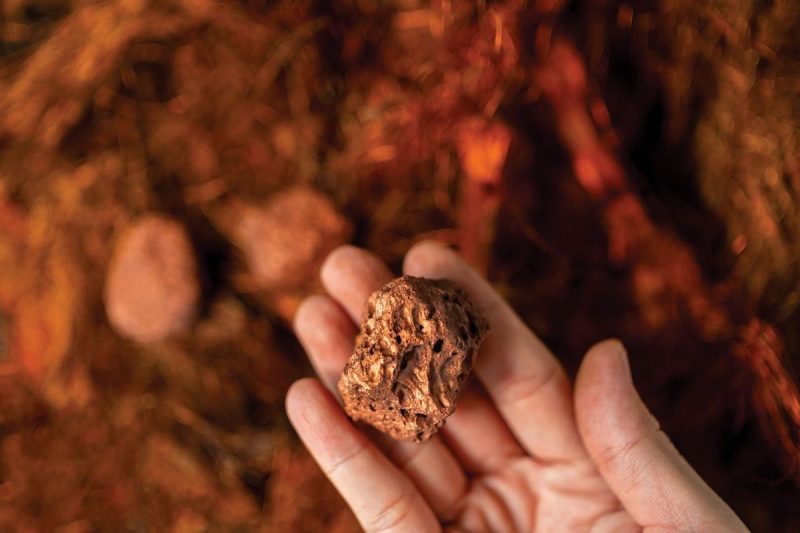
Companies with upcoming copper mines in the US could be poised to benefit from tailwinds in the sector, including the new administration promising to cut ‘red tape’ for critical minerals projects.
Copper demand is climbing quickly in recent years because of the rapid urbanization of the global south as well as the developing energy transition sectors. However, current copper mines are increasing in age and there is a lack of new copper mines to replace them, both due to limited greenfield exploration and long permitting times.
This has put the world’s copper supply in a difficult situation, and experts expect to see supply deficits begin to emerge in 2025.
Resource nationalism is also increasing in recent times, with countries heavily focused on building their own critical minerals supply chains. This caused the Biden administration to list copper as a critical mineral in late 2024, which would allow projects accelerated permits, investment incentives and national security enhancements.
Additionally, after new US President Donald Trump took office in January 2025, Trump issued an executive order that would slash red tape to increase domestic critical mineral production, including copper. The move has caused significant environmental concerns, but it could support US copper companies that have previously struggled to receive permits.
In this article we dive into more than 25 US copper projects in the construction, restarting or permitting phase, based on data from mine database Mining Data Online (MDO). MDO’s database focuses on publicly traded mining companies, so there may be US copper mines being developed by private companies that are not in this list. This article is based on data provided by MDO as of March 2025.
Ownership: 87% – Sandfire Resources (TSXV:SFR) –
Mine type: Underground
Deposit type: SEDEX, Stratabound
Once it enters production, the Black Butte copper project in Montana is expected to produce 120,000 metric tons (MT) of copper concentrate annually. The site’s Johnny Lee deposit hosts proven and probable reserves of 8.8 million MT, containing 226,100 MT of copper at a grade of 2.6 percent.
Sandfire had previously begun Phase I construction to mine the Johnny Lee deposit, but a Montana district court ruling overturned the prior Record of Decision in 2022 halted it. However, the Montana Supreme Court ruled in Sandfire’s favor in Q1 2024. With its mining permit reinstated, the company is now assessing Black Butte’s economics as it moves toward a final investment decision.
Ownership: Taseko Mines (TSX:TKO,NYSE:TGB)
Mine type: In-Situ
Deposit type: Porphyry
Located in Central Arizona, the Florence project is expected to produce 85 million pounds of copper annually. According to MDO, Florence will be one of the world’s most efficient copper producers, and copper produced on site will meet the London Metal Exchange grade A standard.
Overall, the site’s proven and probable mineral reserves are 2.32 billion pounds of contained copper from 320 million MT of ore with an average grade of 0.36 percent copper. Construction at the site reached the 56 percent mark in December of 2024 and is on track for its first production by the end of 2025.
Ownership: Jervois Global (ASX:JRV,OTC Pink:JRVMQ)
Mine type: Underground
Deposit type: Vein / narrow vein, sediment-hosted
The Idaho Cobalt Operation (ICO) is located in Northern Idaho near the border with Montana. Even though the project is focused on cobalt production, over the seven-year life of the mine, it is planned to produce more than 15,000 MT of copper.
While the ICO is still listed as under construction, Jervois Global halted development of the mine in March 2023 due to falling cobalt prices. As of Q4 2024, construction activities remain suspended and the company is focused on maintenance and environmental compliance.
Ownership: Gunnison Copper (TSX:GCU,OTCQB:GCUMF)
Mine type: In-Situ Recovery, Open Pit
Deposit type: Skarn
Gunnison Copper, previously named Excelsior Mining, is currently developing its Gunnison mine in Arizona as an open pit mining operation. Gunnison was originally scheduled to begin operating in 2020 as an in-situ recovery project, but startup was delayed due to low flow rates. Gunnison Copper has been evaluating different alternatives to overcome the challenges and obtained permits to begin well simulation using small-scale, shallow-level hydraulic fracking.
However, the company determined that an open-pit operation has ‘substantially improved viability’ compared to the ISR operation at this time, and is now advancing the permitting process for the open pit. Gunnison intends to maintain the option of its fully permitted ISR operation and well stimulation.
Once the open-pit mine is in operation, Gunnison estimates an average annual production of 167 million pounds of copper cathode. The probable mineral reserve for the in-situ operation as of 2016 is 4.5 billion pounds of copper from 782.2 million MT of ore with an average grade of 0.29 percent. The open pit’s 2024 mineral resource estimate showed a measured and indicated resource of 5.1 billion pounds of copper from 831.6 million MT of ore with an average copper grade of 0.31 percent.
Ownership: Sunshine Silver Mining and Refining
Mine type: Underground
Deposit type: Vein / narrow vein, mesothermal
The Sunshine mine has seen production dating back to 1904, with the most recent being in 2008. The site sits within one of the most prolific mining areas of the Coeur d’Alene district in Idaho, United States. Since acquiring the project in 2010, Sunshine Silver Mining and Refining has spent more than US$100 million on-site upgrades and developments with the intent of restarting production before the end of the decade.
According to MDO, the Sunshine property hosts “one of the highest-grade, large primary silver deposits in the world.” Once restarted, it will also produce copper and several other metals as byproducts, with planned average annual copper production of 1.12 million pounds.
Ownership: New World Resources (ASX:NWC,OTC Pink:NWCBF)
State: Arizona
Mine type: Underground
Deposit type: Volcanogenic massive sulfide (VMS)
Commodities: Copper, zinc, lead, silver, gold
As of February 2025, New World Resource’s Antler project is on track to begin construction activities in H2 2025 and complete the permitting process by early 2026. Federally, the only permit remaining is the Mine Plan of Operations, which the Bureau of Land Management stated will be evaluated under an Environmental Assessment. If things proceed as planned, the company will begin shipping concentrate by 2027.
The site hosts numerous targets and a probable copper reserve of 180,000 MT from 11 million MT of ore with an average grade of 1.6 percent copper. The company anticipates a mine life of 12.2 years with an average annual copper production of 36 million pounds and copper equivalent production of 30,100 MT.
Ownership:
50% – Trilogy Metals (NYSE:TMQ)
50% – South32 (ASX:S32,OTC Pink:SHTLF)
State: Alaska
Mine type: Open pit
Deposit type: VMS
Commodities: Copper, zinc, lead, silver, gold
The Arctic project is currently in the feasibility stage. Due to its location, the only significant federal permit required is the 404 wetlands permit from the US Army Corps of Engineers. The remaining permits are issued at the state level.
The site’s indicated copper resource is 2.35 billion pounds from 35.7 million MT of ore with an average grade of 2.98 percent copper. An additional 189 million pounds are inferred from 4.5 million MT of ore with an average grade of 1.92 percent. Once complete, the mine is expected to produce 234,000 MT of copper annually.
Ownership: Gold Resource (NYSEAMERICAN:GORO)
State: Michigan
Mine type: Open pit and underground
Deposit type: VMS, breccia pipe/stockwork
Commodities: Gold, silver, copper, zinc
Back Forty is planned as two open pits, an underground mine and a processing plant. Once fully permitted, Gold Resource plans for a 21 month construction period before mining commences at its Pinwheel open pit. In 2021, a judge denied a wetlands permit for Back Forty due to its impact on the surrounding area. MDO reports that Gold Resource’s revised mine plan avoids impact on the region’s wetlands, which should support the mine permitting process.
Back Forty will have the capacity to produce 6.8 million pounds of copper concentrate annually. The project hosts an open pit indicated copper resource of 74 million pounds from 9.36 million MT of ore with an average grade of 0.36 percent copper, and an underground indicated copper resource of 47 million pounds from 5.1 million MT with an average grade of 0.41 percent.
Ownership: Arizona Sonoran Copper (TSX:ASCU,OTCQX:ASCUF)
State: Arizona
Mine type: Open pit and underground
Deposit type: Porphyry
Commodities: Copper
Cactus is a brownfield development project in Central Arizona with a 5.5 kilometer mine trend. The site hosts the past-producing Sacaton mine, a mining stockpile and three primary deposits: Cactus East, Cactus West and Parks/Salyer. Arizona Sonoran Copper is working to complete a pre-feasibility study for the second half of 2025.
A Q3 2024 preliminary economic assessment( PEA) outlined a 31 year mine life with on-site production of 86,000 short tons of LME Grade A copper cathode per year. In total, the site has a measured and indicated resource of 7.29 billion pounds from 632.7 million MT of ore at an average grade of 0.576 percent copper.
Ownership: US Gold (NASDAQ:USAU)
State: Wyoming
Mine type: Open pit
Deposit type: Porphyry, breccia pipe/stockwork
Commodities: Copper, gold, silver
In 2024, the CK Gold project achieved several permitting milestones. In April, US Gold received its mine operating permit, and in November, its subsidiary, Gold King, received its final permit approval from the air quality division of the Wyoming Department of Environmental Quality. These permits were the final hurdles needed before the company began developing the project.
The company plans to produce a copper concentrate that contains gold, copper and silver. CK has a significant copper resource with proven and probable reserves totaling 248 million pounds from 70.4 million MT at an average grade of 0.18 percent copper. US Gold is working towards a feasibility study, and aims to begin construction in late-2025 or 2026 with first concentrate production in 2027 or 2028.
Ownership: THEMAC Resources (TSXV:MAC,OTC Pink:MACQF)
State: New Mexico
Mine type: Open pit
Deposit type: Porphyry, breccia pipe/stockwork, hydrothermal
Commodities: Copper, molybdenum, gold, silver
Copper Flat is a brownfield project built on a site that has seen mining dating back to the 1890s, with various companies working to bring the site back online since the 1980s. To date, THEMAC has completed its definitive feasibility and environmental studies and has received several key Federal and State permits. The state mining permit is in the advanced stage.
The site hosts a proven and probable copper reserve of 579.21 million pounds from 113.08 million MT of ore at an average grade of 0.3 percent copper.
Ownership: Highland Copper (TSXV:HI,OTCQB:HDRSF)
State: Michigan
Mine type: Underground
Deposit type: Sediment-hosted
Commodities: Copper, silver
Copperwood is a fully permitted project and is in active development. Highland spent much of 2024 working to fulfill its obligations to prepare the site as required under the terms of the wetlands and streams permit. Its next development steps are metallurgic testing using ultra-fine flotation technology and community engagement as it moves towards a construction decision.
Copperwood hosts proven and probable reserves of 25.7 million MT of ore at an average grade of 1.45 percent copper for 820 million pounds of contained copper. Highland expects to produce 65 million pounds of saleable copper per year for a total of 675 million pounds over the mine’s 10.3 year life.
Ownership: Hudbay Minerals (TSX:HBM,NYSE:HBM)
State: Arizona
Mine type: Open pit
Deposit type: Porphyry, skarn
Commodities: Copper, molybdenum, silver, gold
Copper World is one of the largest copper projects in development in the United States, according to Hudbay. The company is currently in the permitting stage for Phase 1 at Copper World, which will consist of four open pits with an expected mine life of 20 years. The second phase will expand the operation and extend the life of the mine further.
The site has received all necessary state permits to begin construction and operation after it received its air quality permit in January 2025. Hudbay is expecting annual average copper production of 92,000 MT during the first 10 years and 85,000 MT over the 20 year mine life. In year five, it plans to begin copper cathode production to supply the US market.
Ownership: Idaho Copper (OTC Pink:COPR)
State: Idaho
Mine type: Open pit
Deposit type: Porphyry, vein/narrow vein, breccia pipe/stockwork
Commodities: Molybdenum, copper, silver, tungsten, rhenium, sulfuric acid
While Idaho Copper’s focus with CuMo is developing one of the world’s largest molybdenum mines, the company also plans to produce an average of 84 million pounds of copper metal in concentrate per year. CuMo hosts a significant measured and indicated copper resource of 3.81 million pounds.
Idaho Copper is working towards releasing an updated PEA during the first half of 2025. Additionally, the company expects to begin environmental work for its environmental impact statement sometime this year.
Ownership:
80% – Phoenix Copper (LSE:PXC,OTCQB:PXCLF)
20% – ExGen Resources (TSXV:EXG,OTC Pink:BXXRF)
State: Idaho
Mine type: Open pit
Deposit type: Skarn, vein/narrow vein, breccia pipe/stockwork
Commodities: Copper, gold, silver
Empire is a brownfield project planned as an open-pit mine atop historic underground workings. Phoenix Copper is developing its mine plan for the Idaho Department of Lands and for federal review by the National Environmental Policy Act. The company is aiming to complete the permitting project in 2025 and begin production in 2026 using on-site, pre-owned milling equipment it purchased in 2024.
Empire’s proven and probable copper reserves are 109.45 million pounds from 10.1 million MT of ore with an average grade of 0.49 percent copper. The mill will produce a copper-gold-silver concentrate and cement copper stream, combining for 89.1 million pounds of payable copper over the nine-year life of mine.
Ownership: Hudbay Minerals
State: Nevada
Mine type: Open pit
Deposit type: Porphyry, vein/narrow vein
Commodities: Copper, molybdenum, gold, silver
Planned for a mine life of 27 years, Mason is a significant greenfield copper deposit and one of the largest undeveloped porphyry copper deposits in North America, according to MDO. Hudbay considers Mason a ‘long-term future development asset’ and is working on enhancing project economics through metallurgical studies.
Based on its 2021 PEA, Hudbay expects the mine to produce an average of 112,000 MT of copper concentrate per year and deliver more than 10 million MT over its lifetime.
Ownership:
50% – Teck (TSX:TECK.A,TECK.B,NYSE:TECK)
50% – Glencore (LSE:GLEN,OTC Pink:GLCNF)
State: Minnesota
Mine type: Open pit
Deposit type: Magmatic
Commodities: Copper, nickel, palladium, gold, platinum, cobalt, silver
The Teck and Glencore NewRange joint venture consists of two deposits: NorthMet and Mesaba. Permitting for NewRange is stalled in part due to concerns with the mine’s tailings plan. In 2025, the companies plan to advance engineering studies at NorthMet and secure updated development permits.
The Trump administration’s executive order to speed approvals of critical minerals projects could potentially help the project clear regulatory hurdles. If it is fully permitted, NorthMet is expected to deliver an average of 60 million pounds of copper concentrate per year over a 20 year mine life.
Ownership: American Pacific Mining (CSE:USGD,OTCQX:USGDF)
State: Alaska
Mine type: Underground
Deposit type: VMS
Commodities: Copper, zinc, silver, gold, barite, lead
American Pacific Mining is assessing its Palmer project through its five-year plan that ends in 2028. In 2024, work included environmental and permitting activities, a variety of studies in preparation for future feasibility plans and drilling to expand the mineral resource.
As of 2018, the site hosts an indicated copper resource of 154 million pounds from 4.68 million MT of ore at an average copper grade of 1.49 percent, and an inferred copper resource of 124 million pounds from 9.6 million MT of ore at an average grade of 0.59 percent.
Ownership: Northern Dynasty Minerals (TSX:NDM,NYSE:NAK)
State: Alaska
Mine type: Open pit
Deposit type: Porphyry
Commodities: Copper, molybdenum, gold, silver, rhenium
According to MDO, Pebble is the world’s largest known undeveloped resource of copper as well as gold. The project has been stalled since November 2020, when the US Army Corps of Engineers (USACE) rejected its permit applications due to environmental concerns. Since then, Northern Dynasty has been suing to overturn the rejection.
In February 2025, court proceedings were suspended for 90 days at the request of the Environmental Protection Agency (EPA) and the USACE. This followed the confirmation of a new EPA administrator and Trump’s executive order supporting critical mineral projects. However, it still remains to be seen whether the Trump administration will support Pebble this time around, as the previous rejection was made during his first term.
Pebble is planned to produce an estimated average of 320 million pounds of copper concentrate annually, from a measured and indicated resource base of 52.99 billion pounds of copper.
Ownership: Kinterra Capital
State: Nevada
Mine type: Open pit
Deposit type: Skarn, breccia pipe/stockwork, iron oxide copper-gold (IOCG)
Commodities: Copper, gold, silver
The Pumpkin Hollow project hosts a fully permitted open pit project and a fully permitted and constructed underground mine. Production and development were suspended at the operations after its previous owner Nevada Copper filed for Chapter 11 bankruptcy in June 2024. That October, Pumpkin Hollow was acquired for US$128 million by an affiliate company of private equity firm Kinterra Capital, which plans to advance the assets.
Proven and probable copper reserves at Pumpkin Hollow’s open pit project total 3.59 billion pounds from 385.7 million MT of ore with an average grade of 0.47 percent copper. The open pit is expected to produce an annual average of 163 million pounds of payable copper. Additionally, the underground mine is projected to produce 50 million pounds of payable copper annually once it is restarted.
Ownership:
55% – Rio Tinto (ASX:RIO,NYSE:RIO,LSE:RIO)
45% – BHP Group (ASX:BHP,NYSE:BHP,LSE:BHP)
State: Arizona
Mine type: Underground
Deposit type: Porphyry
Commodities: Copper, molybdenum, silver
The Resolution project has the potential to supply 25 percent of the total US copper demand, with planned production of 40 billion pounds of copper over its 40 year mine life.
Permitting for the project has been underway for over a decade, and the US Forest Service published and then rescinded the project’s final environmental impact statement in early 2021. The local Apache Tribe has taken legal action to stop the proposed mine as the deposit sits under a site of religious importance.
According to BHP’s 2024 annual report, the Resolution joint venture and the US Forest Service are focused on further consultation with Native American Tribes to mitigate harm to the region. The agency has said there is currently no timeline for republication of the final environmental impact statement. After Trump took office in January, Rio Tinto’s CEO said he is optimistic the president will grant Resolution’s final permits.
Ownership:
51% – Talon Metals (TSX:TLO,OTC Pink:TLOFF)
49% – Rio Tinto
State: Minnesota
Mine type: Underground
Deposit type: Porphyry
Commodities: Nickel, copper, cobalt, platinum, palladium, gold
Tamarack is one of only three high-grade nickel sulfide deposits discovered in this century. Due to its significance, the US Department of Energy has selected it to receive a US$114.8 million grant for the construction of a battery mineral processing facility.
Despite its nickel primary status, the project will produce 24,000 MT of copper concentrate annually as a by-product material from an indicated resource of 8.56 million MT of ore grading 0.92 percent copper. Talon currently plans to begin construction in 2026, with production beginning in late 2027.
Ownership: Antofagasta (LSE:ANTO,OTC Pink:ANFGF)
State: Minnesota
Mine type: Underground
Deposit type: Magmatic
Commodities: Copper, nickel, platinum, palladium, gold, silver, cobalt, lead
Twin Metals Minnesota’s development is currently on hold after hitting multiple roadblocks, including the rejection of its mine plan and cancelling of two federal mining leases due to concerns tailings from the mine will impact the Superior National Forest and Boundary Waters Canoe Area.
In 2022, Antofagasta’s subsidiary Twin Metals engaged in litigation against the US government over the actions, and in September 2023, the district court dismissed the company’s claims, siding with the government. Twin Metals filed an appeal in November of that year.
If approved, the mine is expected to produce 158,000 MT of copper annually. The company said it is studying the possible impact of Trump’s executive order.
Ownership: Copper Fox Metals (TSXV:CUU,OTCQX:CPFXF)
State: Arizona
Mine type: In-situ
Deposit type: Porphyry, breccia pipe/stockwork, vein/narrow vein
Commodities: Copper
The Van Dyke project covers a project area of 531.5 hectares and hosts historical mine workings, which produced 11.5 million pounds of copper between 1929 and 1945 and an additional 5 million pounds between 1988 and 1989.
In a 2020 PEA, Copper Fox reported an after-tax net present value of US$644.7 million, an internal rate of return of 43.4 percent and a payback period of 2.1 years. The company forecasts a mine life of 17 years and annual average copper production of 85 million pounds. Copper Fox is currently advancing the project towards a pre-feasibility study.
Ownership:
66% – Kinterra Capital
34% – Highland Copper
State: Michigan
Mine type: Underground
Deposit type: Sediment-hosted
Commodities: Copper, silver
Kinterra Capital is the operator of White Pine North as of 2023, when Highland sold it 66 percent of the project. In June 2024, the company initiated an environmental baseline study for White Pine North that would be key to supporting its ongoing permitting operations. Using room-and-pillar mining, the partners plan to use begin production at the first panel in 2027 and expect a four-year ramp-up to full plant throughput.
The project hosts a measured and indicated copper resource of 3.5 billion pounds from 133.4 MT of ore with an average grade of 1.05 percent copper and an additional inferred copper resource of 2.18 billion pounds from 97.2 MT of ore with an average grade of 1.03 percent. Average annual payable copper metal production is projected at 94 million pounds.
Securities Disclosure: I, Dean Belder, have an investment in Northern Dynasty.
The US Bureau of Economic Analysis released February personal consumption expenditures (PCE) index data on Friday (March 28). The figures show inflation increased 2.5 percent on an annualized basis in February, aligning with analyst expectations and reflecting no change from the 2.5 percent recorded in January. On a monthly basis, inflation rose by 0.3 percent, also matching January’s increase.
However, core PCE, which excludes the volatile food and energy prices, increased 2.8 percent year-over-year and 0.4 percent month-over-month. Both came in above analyst expectations of 2.7 and 0.3 percent, respectively.
The PCE is the Federal Reserve’s preferred measure for tracking inflation and will be significant when it meets next in May. Combined with recent consumer price index figures, the data indicates progress has stalled in bringing inflation to the Federal Reserve’s 2 percent target rate.
To the north, Statistics Canada released January gross domestic product (GDP) numbers on Friday. The report shows that GDP grew by 0.4 percent in January, up from a 0.3 percent increase in December.
The largest gain was observed in goods-producing industries, which rose 1.1 percent, marking the highest increase since October 2021. As for Canada’s resources, the mining, quarrying and oil and gas extraction sector increased by 1.8 percent during the first month of the year. This increase was driven by a 2.6 percent rise in the oil and gas extraction subsector. However, metal ore mining declined by 1.2 percent.
The agency also provided a brief estimate of February’s GDP numbers, as well as a look at Canada and the US’s metal manufacturing trade. Tariff threats from the United States appear to have kept numbers flat, as preliminary real GDP data is “essentially unchanged in February.” Official data for February will be released on April 30.
In Canada, markets were in the red this week. The S&P/TSX Composite Index (INDEXTSI:OSPTX) fell 1.2 percent during the week to close at 24,759.15 on Friday, the S&P/TSX Venture Composite Index (INDEXTSI:JX) decreased 1.04 percent to 633.63 and the CSE Composite Index (CSE:CSECOMP) dropped 2.43 percent to 121.13.
US equity markets fell even further this week. The S&P 500 (INDEXSP:INX) lost 2.4 percent to close at 5,5680.95, the Nasdaq 100 (INDEXNASDAQ:NDX) dropped 3.79 percent to 19,281.40 and the Dow Jones Industrial Average (INDEXDJX:.DJI) shed 1.41 percent to 41,583.91.
The gold price climbed to fresh all time highs this week gaining 2.02 percent to US$3,084.48 per ounce at 5:00 p.m. EDT Friday. The silver price rose higher with a 3.29 percent increase during the period to US$34.10.
In base metals, the copper price set an all time high of US$5.32 per pound on Wednesday before finishing the week flat to close out Friday at US$5.13 per pound on the COMEX. Meanwhile, the S&P GSCI (INDEXSP:SPGSCI) was up 0.41 percent to close at 560.50.
So how did mining stocks perform against this backdrop? We break down this week’s five best-performing Canadian mining stocks below.
Stock data for this article was retrieved at 2:00 p.m. EDT on Friday using TradingView’s stock screener. Only companies trading on the TSX, TSXV and CSE with market capitalizations greater than C$10 million are included. Companies within the non-energy minerals and energy minerals sectors were considered.
Weekly gain: 53.85 percent
Market cap: C$30.94 million
Share price: C$0.10
Euro Sun Mining is a copper and gold development company focused on advancing its Rovina Valley project in Romania.
The project’s mining license received full approval for 20 years in 2018, with the option to renew it in five-year increments.
An updated feasibility study from March 2022 demonstrated the project’s economics, showing a post-tax net present value of US$512 million and an internal rate of return of 20.5 percent, assuming a base case gold price of US$1,675 per ounce and a copper price of US$3.75 per pound.
Proven and probable mineral reserve estimates for the site show contained quantities of 197,522 metric tons of copper with an average grade of 0.16 percent, along with 1.84 million ounces of gold with an average grade of 0.47 grams per metric ton (g/t) from 123.3 million metric tons of ore.
Although Euro Sun did not release news this week, shares increased alongside a rising copper price.
Weekly gain: 50 percent
Market cap: C$22.58 million
Share price: C$0.225
Rackla Metals is a gold exploration company with a significant land package covering 59,000 hectares in the Eastern Yukon and Western Northwest Territories, Canada. The firm is specifically targeting properties within the Tombstone Gold Belt, which hosts a gold system that tends to produce deposits in clusters.
Among its key projects is the Astro plutonic complex in the Northwest Territories, which is in close proximity to significant discoveries at Snowline Gold’s (TSXV:SGD,OTCQB:SNWGF) Rogue plutonic complex and Fireweed Metals’ (TSXV:FWZ,OTCQX:FWEDF) Macmillan Pass project.
Besides Astro, Rackla has been exploring its Grad property, which it initially staked in August 2024. Work at the 4,000 hectare site has focused on anomalies identified in a government regional geochemical survey. In October 2024, the company reported that grab samples from the BiTe zone yielded grades of up to 92 g/t gold in its season-end exploration update.
The company’s latest release came on Tuesday (March 24), when it announced a non-brokered private placement to raise total gross proceeds of C$2.45 million. The company intends to use proceeds to advance work at its Tombstone gold belt properties.
Weekly gain: 49.55 percent
Market cap: C$112.45 million
Share price: C$3.35
Tidewater Resources is focused on the production of low-carbon fuels from facilities in British Columbia, Canada.
Its sole operation is a renewable diesel and hydrogen complex located near Prince George. The project has a nameplate capacity of 3,000 barrels per day of renewable diesel and 23.7 metric tons per day of hydrogen. The plant began production during Q4 2023 using feedstock that included soybean and canola oil.
The company is expanding the site to produce sustainable aviation fuel, which it plans to start producing in 2028.
On March 6, Tidewater announced that it had advised the Canadian Border Services Agency (CBSA) to initiate an anti-subsidy and anti-dumping duty investigation into imports of renewable diesel from the US. The release indicated that the CBSA confirmed that Tidewater had provided sufficient evidence to support the allegations.
Tidewater expects that additional duties of between C$0.50 and C$0.80 will be applied to renewable diesel imports originating from the US, which would provide increased market stability for Tidewater products.
The company released its financial results for 2024 on Thursday, March 27. In the announcement, the company stated that its renewable diesel and hydrogen complex achieved an average daily throughput of 2,677 barrels per day in the fourth quarter, marking a significant increase from the 1,700 barrels per day throughput in Q4 2023.
Weekly gain: 48.28 percent
Market cap: C$57.27 million
Share price: C$0.43
Titan Mining is a critical mineral mining and development company focused on advancing and exploring its zinc and graphite assets in New York, US.
Its Empire State Mines (ESM) zinc operations include ESM 4, which restarted production in January 2018, along with six past-producing mines capable of supplying additional feedstock for its onsite mill.
On January 7, Titan released an updated life of mine plan for its ESM properties, which projected a 35 percent increase in production compared to its previous plan released in 2021. The new plan extends the mine’s operational life to nine years, up from seven, and anticipates the production of 636 million pounds of zinc, increased from 470 million pounds in the prior plan.
In addition to zinc, the company also owns the Kilbourne graphite deposit located 4,000 feet from the existing mill at its Empire Mines operation.
A December 2024 maiden mineral resource estimate demonstrated an open pit inferred resource of 653,000 short tons of contained graphite from 22.42 million short tons of ore with an average grade of 2.91 percent copper.
Titan’s most recent news came on March 20, when it released its full-year 2024 results. In the announcement, the company stated it had achieved the upper end of production guidance with 59.5 million pounds of payable zinc. It also reported C1 cash costs of US$0.91 per payable pound sold, which was below the guidance range of US$0.98 to US$1.02.
Weekly gain: 39.71 percent
Market cap: C$14.1 million
Share price: C$0.475
Supernova Metals is an exploration company with rare earth mineral claims in Newfoundland and Labrador, Canada, as well as petroleum interests in Namibia.
Its TT rare earth claims comprise two licenses spanning 825 hectares in central Labrador and are adjacent to Canada Rare Earth’s (TSXV:LL,OTC Pink:RAREF) Two Tom project. The company shared plans to begin exploration in February.
In addition to its TT Claims, the company announced on January 31 that it had successfully completed its acquisition of NamLith Resources. The purchase provides Supernova with an 8.75 percent indirect ownership interest in Block 2712A and petroleum exploration license 107 in Namibia’s offshore Orange Basin.
In a follow-up on February 6, Supernova reported that a NI51-101 technical report is being prepared for the block. The company has since added two senior strategic advisors with experience in the energy industry.
The company has not released any project updates in the past week.
The TSX, or Toronto Stock Exchange, is used by senior companies with larger market caps, and the TSXV, or TSX Venture Exchange, is used by smaller-cap companies. Companies listed on the TSXV can graduate to the senior exchange.
As of June 2024, there were 1,630 companies listed on the TSXV, 925 of which were mining companies. Comparatively, the TSX was home to 1,806 companies, with 188 of those being mining companies.
Together the TSX and TSXV host around 40 percent of the world’s public mining companies.
There are a variety of different fees that companies must pay to list on the TSXV, and according to the exchange, they can vary based on the transaction’s nature and complexity. The listing fee alone will most likely cost between C$10,000 to C$70,000. Accounting and auditing fees could rack up between C$25,000 and C$100,000, while legal fees are expected to be over C$75,000 and an underwriters’ commission may hit up to 12 percent.
The exchange lists a handful of other fees and expenses companies can expect, including but not limited to security commission and transfer agency fees, investor relations costs and director and officer liability insurance.
These are all just for the initial listing, of course. There are ongoing expenses once companies are trading, such as sustaining fees and additional listing fees, plus the costs associated with filing regular reports.
Investors can trade on the TSXV the way they would trade stocks on any exchange. This means they can use a stock broker or an individual investment account to buy and sell shares of TSXV-listed companies during the exchange’s trading hours.
Article by Dean Belder; FAQs by Lauren Kelly.
Securities Disclosure: I, Dean Belder, hold no direct investment interest in any company mentioned in this article.
Securities Disclosure: I, Lauren Kelly, hold no direct investment interest in any company mentioned in this article.

Quimbaya Gold Inc. (CSE: QIM) (OTCQB: QIMGF) (FSE: K05) (‘Quimbaya Gold’ or the ‘Company’) is pleased to announce that shareholders voted to approve all items of business put forth to shareholders at the Company’s Annual General and Special Meeting (‘AGSM’) held on March 28, 2025, including the election of directors, fixing the number of directors, appointment of the Company’s auditor, approval of the equity incentive plan, and the continuation of the Company under the British Columbia Business Corporations Act.
The board of directors and the Company would like to thank Mr. Bayona, who did not run for re-election, for his service to the Company and would like to wish him well in his future endeavors.
Additionally, at the AGSM, Sebastian Wahl was elected as new independent director of the Company. Sebastian Wahl brings over 15 years of experience in the mining industry, specializing in precious metals trading and corporate development. As a co-founder and former Vice President of Corporate Development at Silver X Mining Corp., he played a pivotal role in consolidating assets and advancing projects in South America. Mr. Wahl holds a B.Sc. in Business Administration from the Graduate School of Business Administration in Zurich and a Financial Modelling certification from the Corporate Finance Institute. Fluent in Spanish, he possesses extensive expertise in South American mining operations and capital markets.
Mr. Alexandre P. Boivin, President & CEO stated, ‘We are excited to bring Sebastian on as an independent board member. His strong experience in South America and European connections will complement the Company as we strive to become an established player in the Colombian mining exploration space.’
About Quimbaya
Quimbaya aims to discover gold resources through exploration and acquisition of mining properties in the prolific mining districts of Colombia. Managed by an experienced team in the mining sector, Quimbaya is focused on three projects in the regions of Segovia (Tahami Project), Puerto Berrio (Berrio Project), and Abejorral (Maitamac Project), all located in Antioquia Province, Colombia.
Contact Information
Alexandre P. Boivin, President and CEO apboivin@quimbayagold.com
Jason Frame, Manager of Communications jason.frame@quimbayagold.com
Quimbaya Gold Inc.
Follow on X @quimbayagoldinc
Follow on LinkedIn @quimbayagold
Follow on Instagram @quimbayagoldinc
Follow on Facebook @quimbayagoldinc
Cautionary Statements
Certain statements contained in this press release constitute ‘forward-looking information’ as that term is defined in applicable Canadian securities legislation. All statements, other than statements of historical fact, included herein are forward-looking information. Generally, forward-looking statements and information can be identified by the use of forward-looking terminology such as ‘intends’, ‘expects’ or ‘anticipates’, or variations of such words and phrases or statements that certain actions, events or results ‘may’, ‘could’, ‘should’, ‘would’ or ‘occur’. Forward-looking information by its nature is based on assumptions and involve known and unknown risks, uncertainties and other factors which may cause the actual results, performance or achievements of Quimbaya to be materially different from any future results, performance or achievements expressed or implied by such forward-looking statements or information. Although Quimbaya’s management believes that the assumptions made and the expectations represented by such information are reasonable, there can be no assurance that the forward-looking information will prove to be accurate. Furthermore, should one or more of the risks, uncertainties or other factors materialize, or should underlying assumptions prove incorrect, actual results may vary materially from those described in forward-looking statements or information. Readers are cautioned not to place undue reliance on forward-looking information as there can be no assurance that the plans, intentions or expectations upon which they are placed will occur. Forward-looking information contained in this news release is expressly qualified by this cautionary statement. The forward-looking information contained in this news release represents the expectations of Quimbaya as of the date of this news release and, accordingly, is subject to change after such date. Except as required by law, Quimbaya does not expect to update forward-looking statements and information continually as conditions change.
Neither the Canadian Securities Exchange nor its regulation services provider accepts responsibility for the adequacy or accuracy of this release.
To view the source version of this press release, please visit https://www.newsfilecorp.com/release/246745
News Provided by Newsfile via QuoteMedia

Brazil-focused explorer Alvo Minerals (ASX:ALV,OTC Pink:ALVMF) has signed a non-binding letter of intent with Pan American Silver (TSX:PAAS,NYSE:PAAS) to acquire the Lavra Velha gold-copper project.
According to Alvo, the project and surrounding exploration ground were considered by Pan American to be ‘non-core’ after the company completed its acquisition of Yamana Gold in 2022.
Mineralization was discovered at Lavra Velha in 2010, and the site was explored from 2010 to 2013, and then from 2018 to 2022. The project covers 55,000 hectares in Brazil’s Bahia state.
Lavra Velha has a NI 43-101 resource estimate of 9.2 million tonnes at 1.76 grams per tonne (g/t) gold for 520,000 ounces. That includes an indicated resource of 4.5 million tonnes at 1.96 g/t gold for 282,000 ounces, as well as an inferred resource of 4.7 million tonnes at 1.56 g/t gold for 238,000 ounces.
“We are very excited about the proposed acquisition of the Lavra Velha Gold-Copper Project,’ Alvo Managing Director Rob Smakman said in a Monday (March 31) announcement, adding that the property is complementary to the company’s Palma copper-zinc project. He also commented positively on current gold and copper market dynamics.
The company plans to update Lavra Velha’s NI 43-101 resource to meet JORC standards. Among other adjustments, it will use the current gold price instead of the previous US$1,650 per ounce price.
As part of the acquisition plan, Alvo will be opening an entitlement offer to raise up to AU$3.5 million among its shareholders, with each share priced at AU$0.06. Once raised, the amount is proposed to cover the US$1 million upfront cash payment portion of the transaction, along with initial exploration of Lavra Velha.
The entitlement offer is set to open to eligible Alvo shareholders on Friday (April 4).
Completion of the transaction with Pan American is subject to Alvo’s satisfaction of due diligence and the execution of an asset purchase agreement. The due diligence completion has a 45 day exclusivity period.
Shares of Alvo rose as high as AU$0.066 following the announcement, up 10 percent from the firm’s previous AU$0.06 close. Pan American finished at US$25.55, a 1.47 percent dip from its US$25.94 close last week.
According to Global Business Reports’ Brazil Mining 2024 report, mining in Brazil continues to be fueled by iron ore, but is slowly seeing diversification through a growing number of gold, rare earths and lithium projects.
Securities Disclosure: I, Gabrielle de la Cruz, hold no direct investment interest in any company mentioned in this article.
Will a second iteration of the silver squeeze move the metal’s price on Monday (March 31)?
David Morgan, publisher of the Morgan Report, shares his thoughts on what’s to come.
Securities Disclosure: I, Charlotte McLeod, hold no direct investment interest in any company mentioned in this article.